
Resealable coffee bags are definitively worth the slightly higher cost for most coffee drinkers, as their superior ability to protect beans from oxygen degradation preserves flavor and aroma, ultimately reducing waste and ensuring a better tasting cup. While non-resealable bags offer a lower upfront price, the convenience and enhanced freshness provided by features like zipper closures and tin-ties offer a superior long-term value, safeguarding the investment made in high-quality specialty coffee.
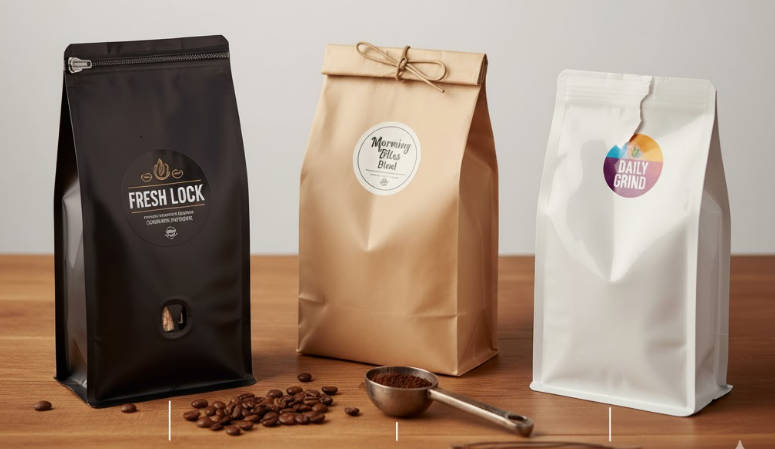
What's the Real Price of Freshness? Deconstructing Coffee Bag Costs
When you purchase a bag of coffee, you're paying for more than just the beans inside. The packaging is a crucial component that plays a significant role in both the final price and the quality of your morning brew. Understanding the cost breakdown reveals why a seemingly small feature, like a resealable zipper, represents a meaningful choice by the roaster—a choice that directly impacts your experience as a consumer. It's a calculated decision that balances material expense, manufacturing complexity, and the ultimate goal of delivering a perfect cup.
The Anatomy of a Modern Coffee Bag: More Than Just Paper
A high-quality coffee bag is a feat of material science designed for a single purpose: to fight coffee's greatest enemies—oxygen, light, and moisture. The bag itself is typically a multi-layered structure. An outer layer, often Kraft paper or printed plastic, provides structural integrity and branding real estate. The crucial inner layer is usually a high-barrier material like aluminum foil or a metalized film, which is impermeable to oxygen and UV light. Sandwiched between these can be other plastics that add durability. Add to this the one-way degassing valve—a non-negotiable for fresh-roasted coffee—which allows CO2 from the roasting process to escape without letting oxygen in. Each of these components adds to the base cost of the bag before we even consider the closure mechanism.
From Roaster to You: How Packaging Costs Affect the Final Price
For a coffee roaster, packaging is a significant operational expense. A basic, non-resealable "fold-over" bag might cost a few cents per unit. Adding a tin-tie—the bendable metal strip at the top—can add several more cents. Upgrading to a quality press-to-close zipper closure can often double the base cost of the bag. While this might seem like a small amount on a per-bag basis, it adds up to thousands of dollars over a production run. This cost is inevitably passed on to the consumer. A roaster who invests in premium, resealable packaging is signaling that they believe the quality of their coffee justifies the extra expense to protect it, viewing it as flavor insurance for the beans they worked so hard to source and roast.
The Great Debate: A Head-to-Head Comparison of Coffee Bag Closures
Not all seals are created equal. The method used to close a coffee bag after its first opening is the single most important factor in determining how fresh your coffee will stay over the next one to two weeks. The choice between a zipper, a tin-tie, or a simple fold-over top directly correlates with the coffee's flavor longevity and your daily convenience.
The Premium Standard: Zipper Closures (Press-to-Close & Sliders)
Zipper closures, similar to those found on food storage bags, are the gold standard for coffee freshness. They create a nearly airtight seal time and time again, effectively locking out damaging oxygen. This reliable seal maintains the coffee’s volatile aromatic compounds, which are responsible for its complex flavors and aromas. From a user experience perspective, they are incredibly convenient, providing a satisfying click or zip that confirms the bag is securely closed. This eliminates the need for bag clips, rubber bands, or transferring beans to a separate container, keeping the original packaging (with all its important information) as the primary storage vessel.
The Classic Contender: Tin-Ties
The tin-tie is a common and respectable middle-ground solution. It consists of two wires encased in paper or plastic, which are folded over to close the bag. Tin-ties are far superior to having no closure mechanism at all and are quite effective for the first few days. However, their primary weakness is durability and the quality of the seal. Repeated bending can cause the metal to weaken and break. More importantly, it's difficult to achieve a truly airtight seal with a tin-tie; small gaps and channels can remain, allowing for slow but steady oxygen ingress. They offer a good balance of cost and function but fall short of the protection offered by a zipper.
The Basic Option: Fold-Over and Tape/Sticker Seals
This is the most basic and least expensive form of packaging. Once the initial heat seal is broken, there is no integrated way to re-close the bag. The consumer is forced to either roll the top down and use a clip or, ideally, transfer the beans to a separate airtight container immediately. Leaving coffee in such a bag, even when rolled shut, offers minimal protection from the air. This packaging choice prioritizes the lowest possible cost over any consideration for post-purchase freshness, placing the entire burden of proper storage on the consumer.
| Feature | Zipper Closure | Tin-Tie | Non-Resealable (Fold-Over) |
|---|---|---|---|
| Seal Quality | Excellent (Airtight) | Good (Not fully airtight) | Poor (Requires external clip) |
| Convenience | Excellent | Good | Poor |
| Cost (for Roaster) | High | Medium | Low |
| Flavor Preservation | Best | Moderate | Minimal |
Why Does the Type of Seal Actually Matter for Your Coffee?
The difference between a great cup of coffee and a mediocre one often comes down to freshness. Roasted coffee is a volatile agricultural product. From the moment it leaves the roaster, a countdown begins. The type of seal on your bag determines how quickly that countdown progresses, directly impacting the delicate flavors the roaster worked to create.
The Science of Staling: Oxygen, the Enemy of Flavor
When roasted coffee beans are exposed to oxygen, a process called oxidation occurs. This chemical reaction degrades the delicate oils and aromatic compounds that give coffee its unique character. The bright, fruity, or floral notes of a specialty coffee will quickly fade, replaced by a generic, flat, and often rancid or papery taste. An effective seal minimizes the introduction of new oxygen into the bag each time you open it. A zipper that creates a tight seal can extend the peak flavor window of your coffee from a few days to a couple of weeks, making a significant difference in the quality of your daily brew.
Preserving the Bloom: The Role of the One-Way Degassing Valve
It's important to note that the resealable feature works in tandem with the one-way degassing valve. Immediately after roasting, coffee releases a large amount of carbon dioxide (CO2). The valve allows this CO2 to escape without allowing oxygen to enter. This is crucial for initial freshness. However, once the bag is opened, the valve's job is mostly done. It's the resealable closure that takes over, providing the ongoing protection your beans need from that point forward. A bag with a valve but no resealable closure is only protected until the first time you open it.
The Convenience Factor: Is It Just About an Easier Morning Routine?
While freshness is the primary benefit, the sheer convenience of a well-designed resealable bag cannot be overstated. This "quality of life" improvement streamlines the coffee-making process and enhances the overall experience of interacting with a premium product.
Eliminating Clutter: No More Clips, Bands, or Canisters
A bag with an integrated zipper means you no longer need to hunt for a bag clip, a rubber band, or other makeshift solutions to close your coffee. Everything you need for proper storage is built right in. It also removes the need to transfer your beans to a separate, dedicated airtight canister. While canisters are a great storage solution, they create an extra step and require cleaning. A resealable bag allows the original packaging to serve as the perfect storage container, keeping your countertop or pantry neat and tidy.
A Better User Experience: Sensory and Practical Benefits
The experience of using a product matters. A premium coffee bag with a smooth, reliable zipper feels like a quality item. It's easy to open, easy to close, and provides audible and tactile feedback that it's sealed correctly. This small detail contributes to the overall perception of the coffee as a specialty product. Furthermore, the bag contains all the important information about the coffee—its origin, varietal, tasting notes, and roast date. Keeping the coffee in its original bag means you never lose this context, which is part of the joy of exploring specialty coffee.
The Counter-Argument: When Are Resealable Bags Not Worth It?
Despite the clear benefits, there are a couple of scenarios where the extra cost associated with a resealable bag might not provide as much value. It's important to consider individual consumption habits when evaluating the necessity of this feature.
The Airtight Canister Alternative
If you are a coffee enthusiast who already owns a high-quality, airtight coffee canister (such as an Airscape or Fellow Atmos) and you diligently transfer your beans into it the moment you get home, then the type of bag the coffee comes in matters less. In this case, you are providing your own freshness solution. You could save a small amount of money by purchasing coffee in less expensive, non-resealable bags, as the bag's closure becomes redundant. The primary function of the bag is simply to transport the beans from the roaster to your canister.
For the High-Volume Coffee Drinker
Similarly, if you or your household consume coffee at a very rapid pace—finishing a 12-ounce bag in just a few days—the effects of staling will be less pronounced. The coffee simply isn't sitting around long enough for significant oxidation to occur. For these power users, a bag with a simple tin-tie or even a non-resealable bag (closed with a clip) might be perfectly adequate, making the premium for a zipper closure an unnecessary expense.
The Verdict: Investing in the Bag is Investing in the Bean
For the vast majority of specialty coffee drinkers who purchase a bag of beans with the intention of enjoying it over one to three weeks, a resealable coffee bag is a clear and worthwhile investment. The marginal increase in cost is a small price to pay for the significant return in flavor preservation and daily convenience. The zipper closure, in particular, acts as the final guardian of the coffee's quality, protecting the incredible journey the bean has taken from the farm, to the roaster, and finally to your counter. By choosing coffee in a bag designed for freshness, you are ensuring that every cup you brew is as vibrant and delicious as the roaster intended.


