Introduction
In today’s fast-paced and competitive market, packaging plays a pivotal role in product success. Among the myriad options available, flat pouch packaging has gained significant traction for its versatility, efficiency, and modern appeal. Within this category, flat bottom pouches have emerged as a standout choice, offering unique features that cater to businesses and consumers alike. This article serves as an all-encompassing FAQ guide, tailored specifically for individuals and companies interested in flat bottom pouches. Spanning 10,000 words, it provides detailed insights into their design, benefits, applications, materials, customization options, and much more.
Flat pouch packaging refers to flexible bags that are flat when empty but expand to accommodate various products when filled. Flat bottom pouches, a specialized type, are distinguished by their stable, flat base, enabling them to stand upright on shelves—a feature that enhances both functionality and retail display. Whether you’re exploring packaging solutions for food, cosmetics, or household goods, this guide will equip you with the knowledge to leverage flat bottom pouches effectively. From understanding their advantages to selecting the right supplier, we’ve got you covered.
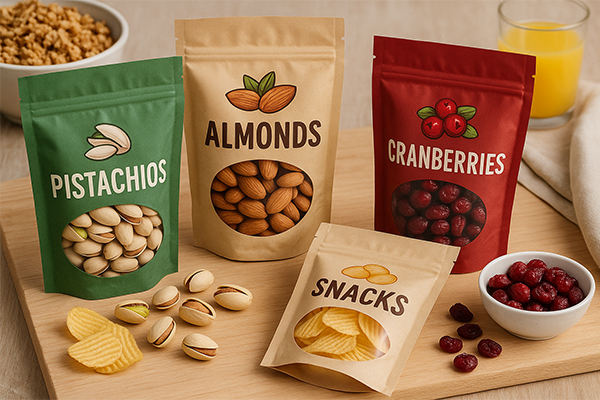
What is Flat Pouch Packaging?
Flat pouch packaging encompasses a range of flexible bags designed to store and protect products. These pouches are typically sealed on all sides and made from materials such as plastic, foil, or paper. When empty, they lie flat, making them easy to store and transport. However, their design allows them to expand when filled, providing a practical solution for packaging diverse items. Among the variations of flat pouches, flat bottom pouches are particularly noteworthy due to their innovative structure.
Defining Flat Bottom Pouches
Flat bottom pouches are characterized by a reinforced, flat base that gives them the ability to stand upright independently. This stability sets them apart from other flexible packaging options, such as pillow pouches or standard stand-up pouches with less robust bases. The flat bottom design not only enhances their aesthetic appeal but also maximizes their utility in retail and storage settings.
Key Design Features
Stable Base: The flat bottom ensures the pouch remains upright, making it ideal for shelf displays and reducing the need for additional support.
Flexible Walls: The sides of the pouch expand to accommodate contents, offering versatility for products of varying shapes and sizes.
Compact When Empty: Before filling, flat bottom pouches can be stacked flat, optimizing space during shipping and warehousing.
These features make flat bottom pouches a preferred choice for businesses seeking a blend of practicality and presentation. Whether you’re packaging coffee, pet food, or cosmetics, their design ensures both protection and visibility.
Why Choose Flat Bottom Pouches?
The decision to opt for flat bottom pouches over other packaging types hinges on their unique advantages. These pouches combine functionality, cost-efficiency, and visual appeal, making them an attractive option for brands aiming to stand out in a crowded market.
Key Advantages of Flat Bottom Pouches
Superior Stability: The flat base provides a solid foundation, allowing the pouch to stand upright without tipping. This is especially valuable for retail environments where shelf space is at a premium.
Space Efficiency: Unlike rigid containers such as jars or boxes, flat bottom pouches are lightweight and collapsible when empty. This reduces storage and transportation costs significantly.
Enhanced Visual Appeal: Their upright stance and expansive surface area offer ample room for branding, product details, and eye-catching designs, boosting consumer interest.
Comparing Flat Bottom Pouches to Alternatives
To fully appreciate their value, let’s compare flat bottom pouches to other common packaging options:
Stand-Up Pouches: While stand-up pouches also stand upright, their bases are often less stable, leading to potential tipping. Flat bottom pouches provide a more reliable structure for display.
Rigid Containers: Boxes, cans, or jars are heavier, bulkier, and more expensive to produce and ship. In contrast, flat bottom pouches offer a lightweight, flexible alternative that cuts costs without sacrificing quality.
Pillow Pouches: These lie flat and lack the ability to stand, limiting their use for retail displays. Flat bottom pouches, however, combine flexibility with upright stability.
For businesses prioritizing efficiency, affordability, and shelf presence, flat bottom pouches deliver a compelling solution.
Common Uses of Flat Bottom Pouches
The versatility of flat bottom pouches makes them suitable for a wide array of industries and products. Their ability to protect contents, stand upright, and adapt to various sizes ensures they meet diverse packaging needs.
Industries Leveraging Flat Bottom Pouches
Food and Beverage: From coffee and tea to snacks, spices, and dried fruits, flat bottom pouches are a staple in this sector. Their barrier properties help maintain freshness and flavor.
Pet Food: Dry pet food, treats, and supplements benefit from the durability and resealable options of these pouches, offering convenience for pet owners.
Cosmetics: Powders, creams, masks, and sample-sized products are often packaged in flat bottom pouches, providing a sleek and portable solution.
Household Products: Detergents, cleaning powders, and other home essentials find a practical home in these pouches, balancing usability and storage efficiency.
Specific Product Examples
Coffee: Flat bottom pouches often include a one-way degassing valve, allowing freshly roasted coffee to release gases while staying sealed against external elements.
Snacks: Granola, nuts, and chips are easily stored and displayed in these pouches, with resealable zippers enhancing consumer convenience.
Pet Treats: The upright design and durable materials make them perfect for pet products, keeping treats fresh and accessible.
Across these applications, flat bottom pouches prove their adaptability, making them a go-to choice for businesses aiming to optimize packaging performance.
Materials Used in Flat Bottom Pouches
The effectiveness of flat bottom pouches largely depends on the materials used in their construction. Material selection impacts everything from product protection to environmental footprint and brand perception.
Common Material Options
Plastic (PET, PE): Polyethylene terephthalate (PET) and polyethylene (PE) are widely used for their strength, flexibility, and cost-effectiveness. These materials can be engineered with high-barrier properties to shield contents from moisture, oxygen, and light.
Foil: Aluminum foil layers provide exceptional protection against environmental factors, making them ideal for sensitive products like pharmaceuticals or premium foods. However, foil is less sustainable than other options.
Paper: For eco-conscious brands, flat paper bags offer a renewable and recyclable alternative. Often combined with thin plastic or foil linings, paper-based pouches balance sustainability with functionality.
Why Material Choice Matters
Product Safety: High-barrier materials ensure contents remain uncontaminated and fresh, critical for food and cosmetic applications.
Branding Alignment: Flat paper bags appeal to environmentally aware consumers, while glossy plastic or foil can convey a premium image.
Durability: The right material prevents tears, punctures, or degradation during shipping and storage.
Businesses should collaborate with a flat bottom pouches supplier to choose materials that align with their product needs and brand values.
Customization Options
A major draw of flat bottom pouches is their extensive customization potential. Companies can tailor these pouches to reflect their brand identity and meet specific product requirements.
Customization Features
Size and Shape: Available in a range of dimensions, from small single-serve packs to large bulk containers, ensuring a perfect fit for any product.
Printing: Advanced printing techniques allow for vibrant, full-color designs, logos, and nutritional information. Matte, gloss, or metallic finishes add a premium touch.
Add-Ons: Options like resealable zippers, pour spouts, tear notches, and transparent windows enhance functionality and user experience.
Benefits of Customization
Brand Visibility: Custom flat pouches with bold designs and logos stand out on shelves, reinforcing brand recognition.
Consumer Convenience: Features like zippers or spouts make the pouch more user-friendly, encouraging repeat purchases.
For companies looking to differentiate their products, custom flat pouches provide a canvas for creativity and practicality.
How to Choose the Right Flat Bottom Pouch for Your Product
Selecting the ideal flat bottom pouch involves evaluating your product’s characteristics and intended use. Here’s a step-by-step guide to making the right choice:
Key Considerations
Product Type: Solids, liquids, or powders require different pouch designs. Liquids may need spouts, while powders benefit from moisture-resistant materials.
Size and Volume: Match the pouch capacity to your product’s volume to ensure proper filling and presentation.
Shelf Life: Products with long shelf-life needs require high-barrier materials to protect against spoilage.
Closure Options
Resealable Zippers: Perfect for multi-use products like snacks or pet food, keeping contents fresh between uses.
Tear Notches: Simplify opening for single-use items, enhancing consumer convenience.
Spouts: Facilitate pouring for liquids or semi-liquids, such as sauces or lotions.
By aligning these factors with your product’s requirements, you can select a flat bottom pouch that optimizes protection and usability.
Sustainability and Flat Bottom Pouches
With growing environmental awareness, sustainability is a critical factor in packaging decisions. Flat bottom pouches can be designed to reduce ecological impact while maintaining performance.
Eco-Friendly Options
Recyclable Materials: Pouches made from recyclable plastics or paper can be processed and reused, reducing waste.
Biodegradable Alternatives: Some suppliers offer biodegradable films that decompose naturally, minimizing landfill contributions.
Flat Paper Bags: These provide a compostable or recyclable option, ideal for brands emphasizing green practices.
Promoting Sustainability
Consumer Guidance: Include recycling instructions on the pouch to encourage proper disposal.
Supplier Collaboration: Partner with a flat bottom pouches supplier committed to sustainable manufacturing processes.
Choosing eco-friendly flat bottom pouches allows businesses to meet consumer demand for sustainability without compromising quality.
Cost Considerations
The cost of flat bottom pouches varies based on several factors, making it essential to balance budget with functionality. Understanding these drivers can help optimize your investment.
Factors Influencing Cost
Material: High-barrier plastics or foil cost more than basic paper or standard plastic.
Customization: Complex designs, multiple colors, or add-ons like zippers increase production expenses.
Order Volume: Larger orders typically lower the per-unit cost due to economies of scale.
Cost-Saving Tips
Here’s a table summarizing typical costs:
Pouch Type | Cost Range (Per Unit) | Details |
Basic Plastic Pouch | $0.10 - $0.20 | No customization, simple design |
Custom Printed Pouch | $0.20 - $0.35 | Full-color printing, basic add-ons |
Premium Custom Pouch | $0.35 - $0.50 | High-barrier materials, advanced features |
By strategically managing these factors, businesses can achieve cost-effective packaging solutions.
Common Challenges and Solutions
While flat bottom pouches offer many benefits, they come with potential challenges. Addressing these proactively ensures a seamless packaging experience.
Common Issues
Sealing Problems: Improper seals can cause leaks or spoilage, especially with liquids.
Storage Constraints: Certain products require specific conditions (e.g., cool, dry environments) to maintain quality.
Filling Challenges: Compatibility with filling equipment can be an issue for automated lines.
Solutions
Quality Testing: Regularly test seals to ensure integrity and prevent leaks.
Storage Optimization: Store pouches in appropriate conditions to protect contents.
Supplier Support: Consult your flat bottom pouches supplier to align pouch design with your filling systems.
These solutions help mitigate risks and maximize the benefits of flat bottom pouches.
Where to Buy Flat Bottom Pouches
Finding a reliable source for flat bottom pouches is crucial for quality and consistency. Here’s how to identify the right supplier:
Purchasing Channels
Manufacturers: Direct purchases often allow for greater customization and competitive pricing.
Packaging Distributors: These suppliers offer a broad selection, including custom flat pouches, with expert guidance.
Supplier Selection Criteria
Quality Standards: Look for certifications ensuring safety and durability.
Customization Capabilities: Choose a supplier experienced in tailoring flat bottom pouches to your needs.
Pricing and Delivery: Ensure competitive rates and reliable shipping schedules.
Partnering with a trusted flat bottom pouches supplier guarantees access to high-quality packaging tailored to your business.
Conclusion
Flat bottom pouches represent a dynamic and practical packaging solution, blending stability, efficiency, and customization potential. From their ability to stand upright on shelves to their eco-friendly material options, they cater to a wide range of industries and products. This 10,000-word guide has explored every facet of flat bottom pouches, providing actionable insights for businesses and individuals alike. Whether you’re seeking custom flat pouches to elevate your brand or flat paper bags for sustainability, this resource empowers you to make informed choices.
Frequently Asked Questions (FAQs)
Q: What sets flat bottom pouches apart from other packaging?
A: Their flat base ensures stability and superior shelf presence compared to other flexible pouches.
Q: Can flat bottom pouches hold liquids?
A: Yes, with appropriate materials and spouts, they are suitable for liquid products.
Q: How can I ensure my flat bottom pouches are sustainable?
A: Choose recyclable or biodegradable options like flat paper bags and work with eco-focused suppliers.
Q: What’s the typical cost of a flat bottom pouch?
A: Costs range from $0.10 to $0.50 per unit, depending on customization and materials.
TDK (Title, Description, Keywords)
Title: Flat Pouch Packaging: The Ultimate FAQ Guide
Description: Discover everything about flat bottom pouches, including benefits, materials, customization, and sustainability. This in-depth guide helps you choose the perfect packaging solution.
Keywords: flat bottom pouches, flat paper bags, custom flat pouches, flat bottom pouches supplier


