
For ultimate coffee flavor protection, foil-lined bags provide the most comprehensive barrier against the primary agents of staleness—oxygen, moisture, and light—making them the gold standard for long-term freshness. Coated paper bags, while a significant step up from simple paper, offer a more sustainable alternative with moderate protection, best suited for coffee intended for quick consumption. The ideal choice depends on balancing the absolute need for preservation with environmental and aesthetic considerations.
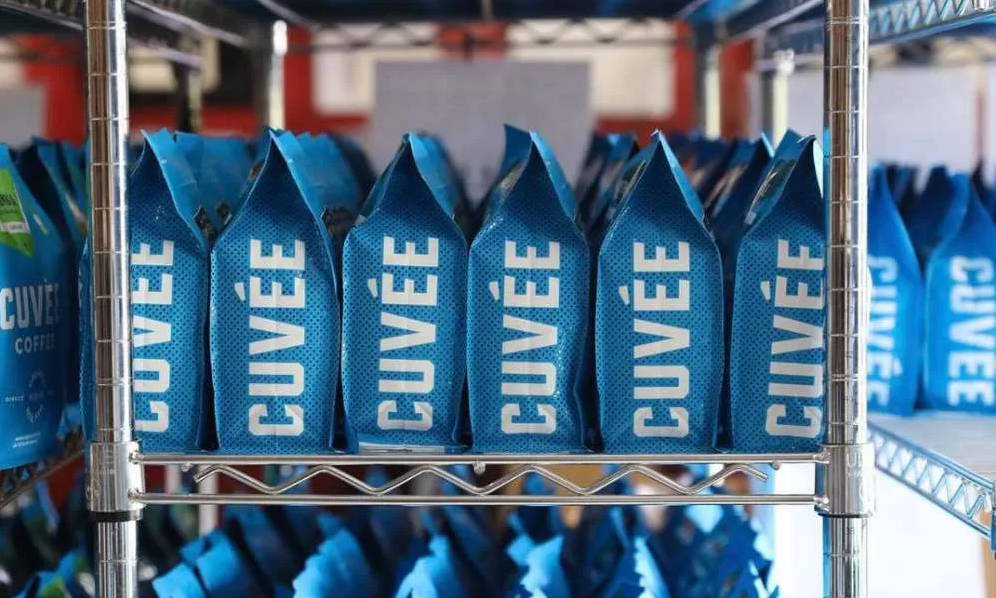
Before comparing bag materials, it's crucial to understand what you're fighting against. Once roasted, coffee beans are in a race against time. Their delicate and complex aromatic compounds are volatile and highly susceptible to degradation. The right packaging acts as a fortress, defending the beans from four primary enemies that seek to rob them of their flavor and aroma.
These adversaries are:
Oxygen: This is the number one enemy. Oxygen causes oxidative damage, a chemical process that breaks down the oils and soluble compounds responsible for coffee's flavor and aroma. This leads to a flat, stale, and often rancid taste, similar to how an apple turns brown when exposed to air.
Moisture: Roasted coffee beans are hygroscopic, meaning they readily absorb moisture from their surroundings. Even a small amount of moisture can accelerate the staling process, dilute flavors, and, in a worst-case scenario, lead to mold growth.
Light: Specifically, UV light acts as a catalyst that speeds up the chemical reactions of oxidation. Exposing coffee beans to direct sunlight or even harsh indoor lighting can significantly shorten their lifespan, resulting in a loss of vibrancy and complexity.
Heat: Elevated temperatures increase the rate of all chemical reactions, including degassing (the release of CO2) and oxidation. Storing coffee in a warm place, like near a stove or in a sunny spot, will cause its flavor to degrade much more rapidly.
A high-quality coffee bag isn't just a container; it's a meticulously engineered piece of food preservation technology designed to create an inert environment that neutralizes these four threats.
A Deep Dive into Foil-Lined Coffee Bags
When maximum freshness is the goal, the conversation almost always begins and ends with foil. For decades, multi-layer bags with an aluminum foil core have been the preferred choice for specialty coffee roasters who need to ensure their product reaches the customer in peak condition.
What Exactly is a Foil-Lined Bag?
A foil-lined bag is not made of pure aluminum. It's a multi-laminate structure, typically consisting of three or more layers bonded together. A common construction includes an outer layer (often paper or plastic for printing), a middle layer of aluminum foil, and an inner layer of food-safe plastic like polyethylene (PE). This layered approach combines the structural integrity and printability of the outer layer with the unparalleled barrier properties of the foil core.
The Unbeatable Advantages of Foil for Flavor Preservation
The key to foil's superiority lies in its near-perfect barrier properties. Aluminum foil is virtually impermeable to the elements that destroy coffee flavor. It provides a near-zero transmission rate for oxygen and moisture, effectively creating a sealed vault for the beans. Furthermore, it is completely opaque, offering 100% protection against harmful UV light. This comprehensive defense mechanism ensures the longest possible shelf life, preserving the roaster's intended flavor profile for weeks, or even months.
The Downsides: Cost and Environmental Concerns
Despite its performance, foil is not without its drawbacks. The manufacturing of aluminum is an energy-intensive process with a significant environmental footprint. Moreover, the multi-laminate structure that makes foil bags so effective also makes them incredibly difficult to recycle. Because the layers of plastic, paper, and foil are bonded together, they cannot be easily separated in standard municipal recycling facilities, meaning most of these bags end up in landfills. They are also generally more expensive to produce than their paper-based counterparts.
Understanding Coated Paper Coffee Bags
As consumer and industry focus shifts toward sustainability, coated paper bags have emerged as a popular and compelling alternative. These bags aim to strike a balance between environmental responsibility and adequate product protection.
How are Coated Paper Bags Constructed?
A coated paper bag begins with a kraft paper exterior, which provides a natural, rustic aesthetic and a great surface for branding. The "coated" part refers to an inner lining that provides a barrier against the elements. This lining is crucial, as plain paper is porous and offers no real protection. Common linings include:
PLA (Polylactic Acid): A bioplastic derived from renewable resources like corn starch. PLA-lined bags are often commercially compostable, making them a popular eco-friendly choice.
PE (Polyethylene): A traditional plastic lining that offers a good moisture barrier but is less effective against oxygen than foil.
Other Bioplastics: Innovations continue to bring new plant-based and compostable linings to the market.
The Appeal of Coated Paper: Sustainability and Aesthetics
The primary advantage of coated paper bags is their improved environmental profile. Bags with a PLA lining can be composted in industrial facilities, diverting waste from landfills. This aligns with the values of many modern consumers and brands. Aesthetically, kraft paper offers a tactile, artisanal feel that many roasters find appealing. It communicates a sense of natural quality and craftsmanship that resonates with the specialty coffee market.
The Drawbacks: Where Protection Falls Short
The trade-off for sustainability is a reduction in barrier performance. While the inner lining provides a decent defense, it is not as effective as aluminum foil. Coated paper bags have a higher Oxygen Transmission Rate (OTR) and Moisture Vapor Transmission Rate (MVTR) compared to foil-lined bags. This means a small amount of oxygen and moisture can still permeate the bag over time, leading to a faster staling process. They also do not offer the same level of light protection, though the paper itself provides significant shading.
The Non-Negotiable Feature: The One-Way Degassing Valve
Regardless of whether you choose foil or coated paper, one feature is absolutely essential for packaging freshly roasted coffee: the one-way degassing valve. Immediately after roasting, coffee beans release a significant amount of carbon dioxide (CO2) for several days. If this gas is trapped in a completely sealed bag, the bag will inflate and potentially burst. The one-way valve is a small plastic vent that allows this CO2 to escape without letting any oxygen enter the bag. Any serious coffee packaging, foil or paper, must have this feature to be effective.
Head-to-Head Comparison: Foil vs. Coated Paper
To make the choice clearer, let's break down the performance of each material across key attributes.
| Attribute | Foil-Lined Bags | Coated Paper Bags (PLA/PE Lined) |
|---|---|---|
| Oxygen Barrier | Excellent (Near-zero transmission) | Good to Fair (Higher transmission rate than foil) |
| Moisture Barrier | Excellent (Near-impermeable) | Good (Lining provides solid moisture resistance) |
| Light Barrier | Excellent (100% Opaque) | Good (Paper provides significant blocking, but not total) |
| Durability | Excellent (Puncture and tear-resistant) | Good (Can be prone to tearing if handled roughly) |
| Sustainability | Poor (Difficult to recycle, energy-intensive) | Good to Excellent (Often compostable or more easily recycled) |
| Cost | Higher | Lower |
Which Coffee Bag is Right for You?
The "best" material ultimately depends on your specific priorities and circumstances.
For the Specialty Coffee Roaster
If you are a roaster shipping coffee across the country or selling to wholesale accounts where it might sit on a shelf for several weeks, a foil-lined bag is the safest choice to protect your product's integrity and your brand's reputation. The superior protection ensures the customer experiences the coffee exactly as you intended. However, if your business model is built around local sales, farmers' markets, and a quick turnaround from roast to brew, a high-quality coated paper bag can be an excellent choice that aligns with sustainability goals and brand messaging.
For the Discerning Home Barista
When you are buying a bag of coffee, look at the packaging as a signal of quality. A roaster who invests in a foil-lined bag with a one-way valve is clearly prioritizing freshness. If you find a coffee you love in a coated paper bag, that's perfectly fine—just plan to use it a bit more quickly. A good rule of thumb is to aim to finish coffee from a paper bag within 2-3 weeks of the roast date, whereas coffee in a foil bag can remain vibrant for 4-6 weeks or even longer.
Conclusion: Making the Best Choice for Your Beans
In the debate between foil-lined and coated paper bags, there is a clear winner in pure performance and a clear winner in sustainability. Foil-lined bagsoffer an unmatched, hermetic seal against the elements, making them the superior choice for long-term flavor preservation. Coated paper bags, particularly those with compostable PLA liners, provide a responsible, attractive, and adequate solution for coffee that will be enjoyed fresh. The decision hinges on a trade-off: Is the absolute peak of freshness worth the environmental cost, or is a slight compromise in shelf life an acceptable price for a more sustainable package? By understanding the strengths and weaknesses of each, both roasters and consumers can make an informed choice that best suits their coffee and their values.


