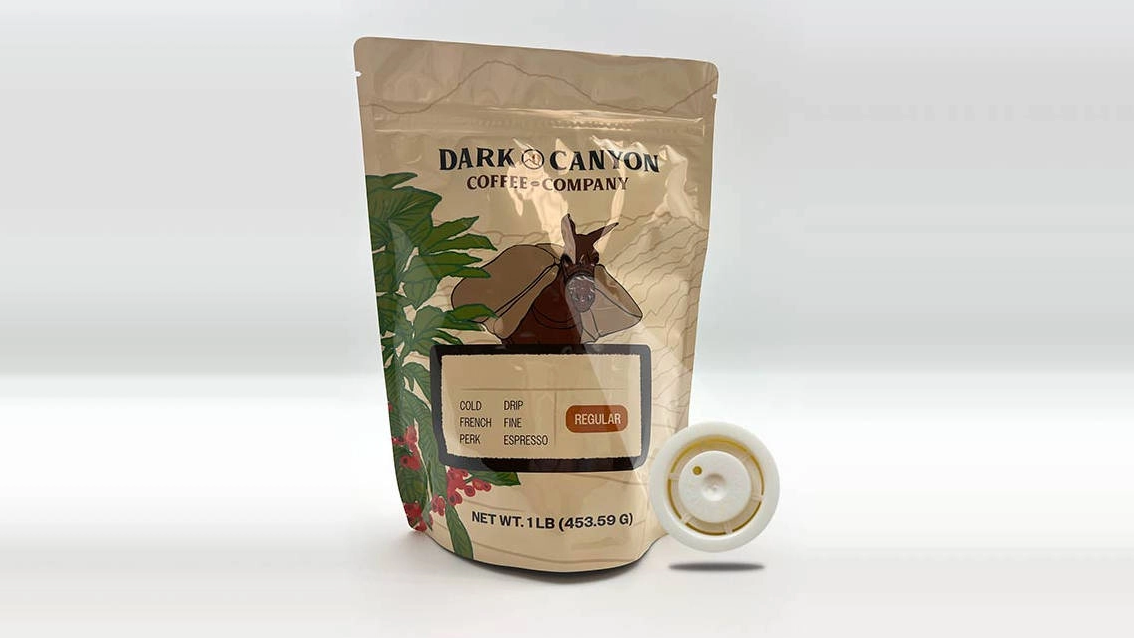
A one-way degassing valve is a small but crucial feature on a coffee bag that preserves freshness by allowing freshly roasted beans to release carbon dioxide (CO2) without letting flavor-destroying oxygen in. This simple valve works on a pressure system: as CO2 builds up inside the sealed bag, it forces the valve open to vent. Once the pressure equalizes, the valve seals shut, creating a protective barrier against external oxygen, which causes coffee to go stale through a process called oxidation. This technology is the key to enjoying coffee at its peak flavor, just as the roaster intended.
What's the Big Deal About Coffee Freshness? Understanding the Enemy: Oxidation
Before we can appreciate the genius of the degassing valve, we must first understand the primary forces working against your perfect cup of coffee. As soon as coffee beans finish the roasting process, they begin a rapid journey from peak flavor to stale mediocrity. Two main chemical processes are responsible for this decline: oxidation and degassing. While one is a relentless enemy, the other is a natural, necessary process that must be managed.
The Science of Stale: How Oxygen Degrades Your Coffee
Oxidation is the number one enemy of coffee freshness. It's the same chemical reaction that turns a sliced apple brown or makes oil go rancid. When the delicate, volatile aromatic compounds and soluble oils in coffee beans are exposed to oxygen (O2), they begin to break down. This degradation has a direct and disastrous impact on taste and aroma. The bright, nuanced flavors of fruit, chocolate, or nuts fade away, replaced by a dull, flat, and often bitter or cardboard-like taste. The captivating aroma that fills your kitchen vanishes. Essentially, oxygen systematically strips your coffee of everything that makes it special, leaving a hollow shell of its former self.
Meet the Other Culprit: Carbon Dioxide (CO2)
During the roasting process, sugars and amino acids within the coffee beans break down and create numerous compounds, including a massive amount of carbon dioxide (CO2). This gas becomes trapped within the bean's cellular structure. While CO2 is not an enemy in the same way oxygen is—in fact, its presence is a key indicator of freshness—it creates a significant packaging challenge. Freshly roasted beans release this trapped CO2 for days, and even weeks, after roasting. If this gas isn't managed, it can lead to some serious problems.
The Roaster's Dilemma: The Race Against Time and Pressure
For a coffee roaster, the moments after roasting are critical. They have a product at its absolute peak, but it's inherently unstable. They face a paradox: how do you protect the coffee from oxygen while also allowing the immense pressure from the CO2 to escape? This is the central conflict that necessitated the invention of the one-way valve.
The Degassing Phenomenon: Why Fresh Beans Release Gas
The process of releasing trapped CO2 is known as degassing. A batch of freshly roasted beans can release so much gas that it can more than double its own volume. This process is most aggressive in the first 24-48 hours after roasting but continues for up to two weeks. The rate of degassing depends on several factors, including the bean's origin, the roast level (darker roasts degas faster), and the ambient temperature. This outgassing is a sign of a vibrant, fresh product, but it presents a major logistical hurdle for packaging and preservation.
The Packaging Paradox: Seal it or Vent it?
This leaves roasters with two poor choices. If they seal the fresh coffee in a completely airtight bag, the continuous release of CO2 will inflate the bag like a balloon until it eventually bursts. This is not only messy but also a terrible customer experience. The alternative is to wait for the coffee to fully degas before packaging it. However, this means leaving the beans exposed to the air for days, allowing the destructive process of oxidation to take hold before the coffee even reaches the customer. Neither option is acceptable for anyone who cares about quality.
The Ingenious Solution: How a One-Way Degassing Valve Actually Works
This is where that small plastic circle on your coffee bag becomes the hero of the story. The one-way degassing valve is a simple yet brilliant piece of engineering that solves the roaster's dilemma perfectly, creating an environment where coffee can be preserved at its peak.
A Look Inside: The Mechanics of the Valve
Though they may look slightly different, most one-way coffee valves operate on the same principle. They typically consist of a few simple parts: a plastic body, a flexible rubber or silicone diaphragm, and a viscous layer of oil to help create a perfect seal. The valve is heat-sealed onto the inside of the coffee bag over a few tiny pinholes. The design is meticulously calibrated to respond to differences in pressure between the inside and outside of the bag.
The Pressure Game: Letting CO2 Out While Blocking Oxygen
The function is elegantly simple. As the freshly roasted beans degas, CO2 builds up inside the bag, increasing the internal pressure. Once this pressure reaches a certain threshold (typically around 0.1-0.3 psi higher than the external atmospheric pressure), it's strong enough to push the flexible diaphragm open. The excess CO2 is then vented safely out of the bag. As soon as that pressure is released and equalizes with the outside air, the diaphragm immediately snaps shut, resealing the valve. This design ensures that gas can only travel out. The normal atmospheric pressure from the outside is not strong enough to force the valve open, meaning oxygen is permanently locked out.
The "Whoosh" Test: Smelling the Aroma Through the Valve
Have you ever picked up a bag of coffee at the store and given it a gentle squeeze to smell the beans inside? You're interacting directly with the one-way valve. When you squeeze the bag, you are manually increasing the internal pressure, forcing the valve to open and release a puff of aromatic CO2. This isn't a defect; it's a feature! It allows you to sample the coffee's aroma without ever compromising the integrity of the packaging, proving that the valve is doing its job of letting gas out while keeping the beans protected.
The Tangible Benefits: Why You Should Look for the Valve
The presence of a one-way degassing valve is more than just a packaging gimmick; it's a direct indicator that the roaster prioritizes freshness and quality. For you, the coffee drinker, this translates into several tangible benefits.
Maximizing Flavor and Aroma
The primary benefit is, without a doubt, flavor preservation. By creating a barrier against oxygen, the valve effectively halts the process of oxidation. This means the complex and volatile compounds responsible for the coffee's unique taste and aroma are protected from the moment the bag is sealed. When you open a bag of coffee that has been protected by a valve, you are experiencing a profile that is as close as possible to what the roaster tasted on the day it was roasted, ensuring a vibrant, delicious, and aromatic brew.
Extending Shelf Life and Peak Brew Window
By preventing stale-inducing oxidation, the valve significantly extends the shelf life of whole bean coffee. While coffee is always best when fresh, a valve allows it to maintain its peak flavor window for several weeks, rather than just a few days. This gives you more time to enjoy your purchase without a noticeable drop-off in quality. The table below illustrates the dramatic difference in the preservation environment.
| Packaging Method | CO2 Management | Oxygen Exposure | Freshness Outcome |
| Bag with One-Way Valve | CO2 is safely vented out. | Oxygen is blocked from entering. | Flavor and aroma are preserved for weeks. |
| Airtight Sealed Bag (No Valve) | CO2 builds up, risking bag rupture. | Oxygen is blocked (until it bursts). | Impractical and unsafe for fresh coffee. |
| Open or Paper Bag | CO2 escapes freely. | Constant and total oxygen exposure. | Coffee becomes stale in a matter of days. |
Preventing the "Puffed Bag" Problem
On a practical level, the valve ensures the integrity of the packaging. It allows roasters to package their coffee immediately after roasting—when it's at its absolute freshest—without worrying about the bags bursting during shipping or while sitting on a store shelf. This stability is crucial for getting quality coffee from the roastery to your kitchen pantry safely and effectively.
Frequently Asked Questions About Coffee Degassing Valves
Understanding the technology often leads to more questions. Here are answers to some of the most common queries about these essential coffee-saving devices.
Is a valve a definitive sign of high-quality coffee?
A one-way valve is a sign of a quality-conscious roaster, but not necessarily of high-quality beans themselves. Its presence indicates that the roaster cares enough about freshness to invest in the proper packaging. However, the ultimate quality is still determined by the green coffee beans and the skill of the roast. Think of it as a necessary but not sufficient condition: great coffee will almost always come in a bag with a valve, but not every bag with a valve contains great coffee.
What if my coffee bag doesn't have a valve?
If you purchase a bag of whole bean coffee without a valve, it typically means one of two things. Either the coffee was pre-ground (which vastly accelerates staling) or, more likely, it was roasted and then allowed to sit for a long period to fully degas before being packaged. In either case, the coffee has had significant exposure to oxygen and will likely be far past its peak flavor. For pre-packaged coffee from a grocery store, large brands often use nitrogen flushing to push oxygen out of the bag before sealing, but this is less common for specialty coffee.
How long should coffee degas before brewing?
While degassing is crucial for packaging, too much CO2 can also negatively affect brewing, particularly for methods like espresso where it can impede proper water-to-coffee contact and create excessive, frothy crema. Most specialty coffee is best after a short resting period. A general rule of thumb is to let coffee rest for 3 to 7 days after its roast date before brewing. The valve-sealed bag is the perfect environment for this resting to occur, as it allows excess CO2 to escape without introducing oxygen.
Conclusion: The Small Valve with a Massive Impact on Your Morning Cup
The one-way degassing valve is a perfect example of a small innovation with an enormous impact. It is the silent guardian of coffee quality, elegantly solving the fundamental conflict between the natural degassing of fresh beans and the destructive power of oxygen. By allowing roasters to package their product at its peak and ensuring it stays that way, this humble valve bridges the critical gap between the roaster and your home. So the next time you see that little plastic circle on your coffee bag, you can appreciate it for what it is: a tiny piece of technology dedicated entirely to delivering a fresher, more flavorful, and more aromatic cup of coffee.
one-way degassing valve, coffee oxidation, coffee freshness, CO2 degassing, how do coffee bag valves work, preventing stale coffee, fresh roasted coffee, why do
coffee bags have valves, coffee aroma preservation, what does a degassing valve do


