Choosing the right coffee packaging is a critical decision that directly impacts freshness, brand perception, and profitability. For coffee businesses, the primary options are single-serve pillow bags for ultimate convenience and sampling, stand-up pouches for superior retail shelf presence and consumer use, and bulk coffee bags for high-volume wholesale or café operations. The best choice depends entirely on your target audience, sales channel, and how you want your coffee to be experienced.
The coffee bag is more than just a container; it's the first physical interaction a customer has with your product and the primary guardian of the beans' delicate aroma and flavor. From the moment roasted coffee is exposed to oxygen, it begins a slow process of staling. The right packaging slows this process to a crawl, preserving the quality you worked so hard to achieve in your roast. This guide will delve into the nuances of single-serve pillow bags, stand-up pouches, and bulk bags, helping you make an informed decision that aligns with your brand's quality, marketing, and financial goals.
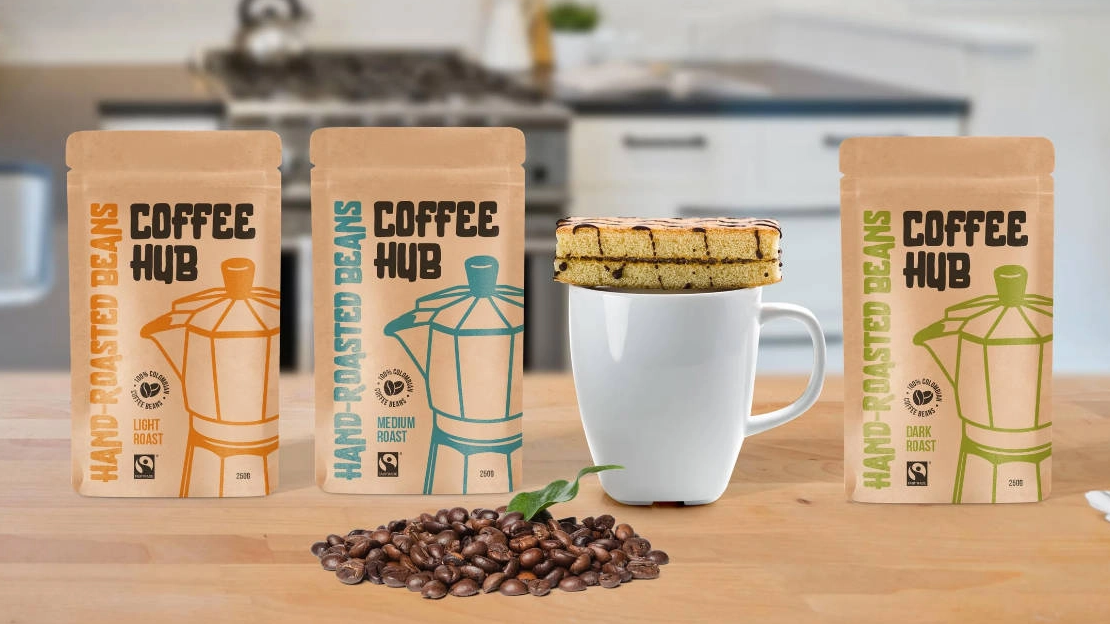
Why Does Your Coffee Bag Choice Matter? Beyond the Bean
Before comparing bag types, it's crucial to understand what's at stake. Your packaging decision influences three core pillars of your business: product quality, brand perception, and operational efficiency. Getting it right means happier customers, stronger brand loyalty, and a healthier bottom line.
The Critical Role of Packaging in Coffee Freshness
Roasted coffee has four main enemies: oxygen, moisture, light, and heat. Oxygen is the most aggressive, causing oxidative degradation that makes coffee taste stale and flat. High-quality coffee packaging is designed as a fortress against these elements. It utilizes high-barrier materials to prevent oxygen and moisture from entering and often incorporates a one-way degassing valve. This valve is essential for allowing CO2, which is naturally released by freshly roasted beans, to escape without letting damaging oxygen in. The size of the bag also plays a role; a larger bag that is opened and closed repeatedly will expose the remaining beans to more oxygen than a smaller, single-use portion.
Branding, Shelf Appeal, and the Customer Experience
In a crowded marketplace, your coffee bag is your silent salesperson. A stand-up pouch with a flat bottom sits proudly on a shelf, offering a large, vertical canvas for compelling graphics and storytelling. This is what marketers call *shelf presence*. The texture of the bag (matte, gloss, soft-touch), the inclusion of a window to see the beans, and the satisfying zip of a resealable closure all contribute to a premium customer experience. In contrast, a simple pillow bag communicates convenience, while a large, 5lb bulk bag signals a wholesale, functional purpose.
How Packaging Impacts Your Bottom Line and Sustainability Goals
Cost is a significant factor. Generally, the cost-per-gram of packaging decreases as the bag size increases. Bulk coffee bags are the most economical option for packaging large quantities, making them ideal for B2B sales. Single-serve pillow bags, on the other hand, have the highest cost per gram due to the material and machine time required for each small unit. Sustainability is also a growing concern for consumers. Your choice of materials—from recyclable plastics to compostable kraft paper and PLA (Polylactic Acid) linings—sends a powerful message about your brand's values and can be a deciding factor for environmentally conscious shoppers.
The Contenders: A Deep Dive into Each Coffee Bag Type
Now, let's break down the big three. Each bag style is engineered for a specific purpose and use case, with its own set of advantages and disadvantages.
Single-Serve Pillow Bags: The Ultimate in Convenience
What are they? Pillow bags are simple, economical pouches sealed on three sides, resembling a small pillow when filled. They are typically used for single-portion amounts of coffee, ranging from 1 to 4 ounces (30-115g), perfect for brewing a single pot or a few cups. They are often made from foil or poly-lined materials and are heat-sealed for freshness, though they lack resealable features.
The primary advantage of single-serve pillow bags is *unmatched convenience and portion control*. They are perfect for hotel rooms, office coffee services, gift baskets, and as promotional samples for new roasts. By providing a pre-measured amount, they ensure a consistent brew every time and protect the rest of your coffee stock from exposure. However, their small size offers limited real estate for branding. Furthermore, they represent the highest cost-per-gram in packaging and can generate more waste than larger formats, which is a consideration for sustainability.
Stand-Up Pouches: The Retail Champion
What are they? As the name suggests, stand-up pouches (or Doypacks) are designed with a bottom gusset that allows them to stand upright on a retail shelf. They have become the gold standard for specialty coffee, commonly available in sizes like 8oz, 10oz, 12oz, and 1lb (227g, 283g, 340g, 454g). They almost always feature a resealable zipper and a one-way degassing valve.
The key benefit of a stand-up pouch is its *excellent marketing and user-friendly design*. The stable, upright presentation maximizes visibility in a competitive retail environment, and the front and back panels provide ample space for branding and product information. For the consumer, the resealable zipper makes it easy to maintain freshness after opening, eliminating the need for a separate storage container. While they are more expensive to produce than simple pillow or side-gusset bags, their superior shelf appeal and functionality often justify the cost for brands targeting the direct-to-consumer market.
Bulk Coffee Bags: The Workhorse for High Volume
What are they? Bulk coffee bags are typically side-gusseted bags, which form a more "block-like" shape when filled, making them very efficient for packing in boxes. They are designed for large quantities, most commonly in 2lb and 5lb (0.9kg and 2.27kg) sizes. They almost always feature a one-way degassing valve but rarely have resealable closures, though tin ties are a common add-on for basic re-closing.
The main advantage of bulk coffee bags is *cost-effectiveness and efficiency*. They offer the lowest packaging cost per gram of coffee, making them the go-to choice for wholesale operations supplying cafes, restaurants, and offices. Their shape is highly space-efficient for both shipping and storage. The downside is the consumer experience. Once a 5lb bag is opened, the large volume of coffee is immediately exposed to oxygen, and the lack of a proper resealable feature means freshness degrades quickly unless the contents are transferred to airtight containers. Their branding is functional rather than flashy, designed for a box, not a shelf.
Head-to-Head Comparison: Which Coffee Bag is Right for You?
To help you decide, here is a direct comparison of the three packaging types across key decision-making criteria.
| Feature | Single-Serve Pillow Bag | Stand-Up Pouch | Bulk Coffee Bag |
| Ideal Use Case | Samples, hotels, offices, travel, gift sets | Retail shelves, direct-to-consumer online sales, specialty coffee | Wholesale to cafes, restaurants, high-volume office coffee |
| Common Sizes | 1-4 oz (30-115g) | 8-16 oz (227-454g) | 2-5 lbs (0.9-2.27kg) |
| Freshness Preservation | Excellent (single-use eliminates re-exposure) | Very Good (Valve + Zipper) | Good before opening, Poor after (large volume, no reseal) |
| Branding & Marketing | Low (limited space, low shelf impact) | Excellent (large canvas, great shelf presence) | Fair (functional, designed for shipping boxes) |
| Cost-Effectiveness | Low (highest cost per gram) | Medium (higher unit cost but high value) | High (lowest cost per gram) |
| User Convenience | Excellent (portion control, portable) | Excellent (resealable, stands on its own) | Poor (requires secondary storage container) |
| Sustainability | Lower (more packaging material per gram of coffee) | Good (many recyclable/compostable options available) | Good (less packaging material per gram of coffee) |
Key Factors to Consider When Choosing Your Coffee Packaging
The table above gives a clear overview, but your final decision should be guided by your specific business strategy. Ask yourself these four questions.
What is Your Sales Channel? (Retail vs. Wholesale vs. Online)
Your sales channel is perhaps the most important determinant. If your coffee will sit on a crowded grocery store shelf, you need the visual power and self-supporting structure of a stand-up pouch. If you are shipping directly to consumers from your website, stand-up pouches are also ideal as they provide a premium unboxing and user experience. Conversely, if your primary business is supplying 20-pound orders to a local cafe each week, the cost-efficiency and shipping density of 5lb bulk bags are unbeatable.
How Much Coffee Are You Selling? (Volume and Freshness)
The standard 12oz stand-up pouch is popular for a reason: it holds enough coffee for the average consumer for one to two weeks, a period during which the beans will remain reasonably fresh after opening. Selling a 2lb bag to a single person who drinks one cup a day is a disservice to your coffee, as the last half of the bag will be stale. The bag size should match the consumption rate. Single-serve bags solve this problem completely by ensuring every single brew is from a fresh, unopened packet.
Who is Your Target Audience?
Who is your ideal customer? A busy professional who values convenience above all else might be the perfect target for single-serve pour-over packets. A coffee connoisseur who appreciates ritual and quality will be drawn to a beautifully designed stand-up pouch with detailed tasting notes. A cafe owner, however, is a business operator whose primary concerns are cost per serving and operational workflow, making the bulk coffee bag the logical choice. Aligning your packaging with your audience's values and needs is key to success.
What is Your Brand Identity?
Your packaging is an extension of your brand. A brand focused on luxury and exclusivity should invest in high-end stand-up pouches with premium finishes like soft-touch matte, foil stamping, and spot UV gloss. A brand built on sustainability should prioritize compostable or fully recyclable materials and communicate that choice on the bag. A value-focused brand might opt for a simpler, more traditional side-gusseted bag with a tin-tie to keep costs down while still providing functionality.
Beyond the Bag: Essential Features to Look For
Regardless of the bag style you choose, certain features are non-negotiable for preserving quality.
The One-Way Degassing Valve: A Non-Negotiable for Freshness
As mentioned, freshly roasted coffee releases a significant amount of carbon dioxide for several days after roasting. Without a way to escape, this gas would cause the bag to inflate and potentially burst. A one-way degassing valve is a small plastic component that lets this CO2 out without allowing any oxygen in. Any packaging for whole-bean or fresh-ground coffee that lacks this feature is fundamentally flawed and will not properly preserve the coffee's quality.
Material Matters: Foil, Poly, Kraft, and Barrier Layers
The material of the bag is its armor. The most common structure is a multi-layer laminate. An outer layer (like Kraft paper or printed plastic) provides the aesthetics, while the inner layers provide the barrier. A layer of aluminum foil offers the best protection against oxygen, moisture, and light. A metallized PET (polyethylene terephthalate) layer is a slightly more economical but still effective alternative. The innermost layer is typically a food-safe plastic like LLDPE (Linear Low-Density Polyethylene) that allows the bag to be heat-sealed.
Closures and Openings: Zippers, Tin Ties, and Tear Notches
How a customer opens and closes the bag is a huge part of the user experience. A tear notch provides a clean, easy starting point for opening the bag for the first time. For resealability, a press-to-close zipper is the most effective and convenient option, standard on most stand-up pouches. A less effective but economical alternative often found on side-gusseted bags is the tin tie—a small, adhesive metal strip that allows the user to roll down the top of the bag and fold the ties to hold it shut.
Conclusion: Making the Final Decision for Your Coffee
There is no single "best" coffee bag—only the best bag for your specific application. The choice between single-serve pillow bags, stand-up pouches, and bulk bags is a strategic one. If your goal is retail dominance and a premium consumer experience, the stand-up pouch is your clear winner. If you're focused on high-volume, B2B wholesale, the cost-efficiency of the bulk coffee bag is unmatched. And if you need to provide perfect portions for sampling, hospitality, or on-the-go convenience, the single-serve pillow bag is the ideal solution. By carefully considering your sales channels, target audience, brand identity, and the non-negotiable features of freshness preservation, you can select the perfect packaging to protect your product and propel your brand forward.
Frequently Asked Questions (FAQ)
What size coffee bag is most popular for retail?
The most popular coffee bag size for retail is overwhelmingly the 12 oz (340g) stand-up pouch. This size provides a good balance of value for the consumer and a price point that works for specialty coffee. It typically lasts a home user 1-2 weeks, ensuring the coffee remains relatively fresh throughout its use. 8 oz and 10 oz bags are also very common, especially for higher-end or single-origin offerings.
Are stand-up pouches better than flat bottom bags?
Stand-up pouches and flat bottom bags (also known as block bottom bags) are both excellent retail options. A stand-up pouch has a "Doypack" or rounded bottom gusset, while a flat bottom bag has a perfectly flat, rectangular base and gusseted sides, creating a more box-like shape. Flat bottom bags often have slightly better stability and a more structured look, while stand-up pouches have a classic, proven appeal. The choice is often aesthetic, as both offer premium branding space and can be equipped with zippers and valves.
How long will coffee stay fresh in each type of bag?
In an unopened, valve-sealed bag, whole bean coffee can remain "fresh" for several months. However, the clock starts ticking fast once it's opened. In a single-serve bag, freshness is maximized as it's used immediately. In a resealable stand-up pouch, coffee is best consumed within 2-3 weeks of opening. In a 5lb bulk bag without a proper seal, quality can noticeably decline within just a few days unless the entire contents are immediately transferred to multiple smaller, airtight containers.
What are the most sustainable coffee packaging options?
Sustainable coffee packaging is a rapidly evolving field. Currently, the most common options include bags made from a high percentage of post-consumer recycled (PCR) materials. Another popular choice is compostable packaging, typically made from materials like Kraft paper, PLA (a corn-based plastic), and compostable adhesives and valves. However, it's critical to ensure these are certified for industrial or home composting and to educate consumers on proper disposal, as they cannot be placed in standard recycling bins.
coffee bag sizes, stand-up pouches, single-serve pillow bags, bulk coffee bags, choosing coffee packaging, coffee packaging for roasters, best coffee bag for freshness, stand up pouch vs pillow bag, 12oz coffee bag, 5lb coffee bag


