
For maximizing long-term freshness and preventing freezer burn, vacuum-sealed bags are the undisputed winner due to their ability to remove nearly all oxygen. However, for retail presentation, user convenience, and short-to-medium-term storage of frequently accessed items, stand-up pouches offer superior functionality and branding opportunities. The best choice ultimately depends on your specific product, storage duration, and target audience.
Choosing the right packaging is one of the most critical decisions for preserving food quality. It's a battle between extending shelf life and enhancing user experience. Two dominant contenders in this space are stand-up pouches and vacuum-sealed bags. While they may seem similar, their core functions and ideal applications are vastly different. This comprehensive guide will break down the science behind each method, compare their strengths and weaknesses, and help you determine which packaging solution is truly better for retaining freshness in your specific scenario.
Understanding the Contenders: A Quick Overview
Before we can compare them, it's essential to understand the fundamental design and purpose of each packaging type. Their construction directly influences their performance in preserving food.
What Are Stand-Up Pouches?
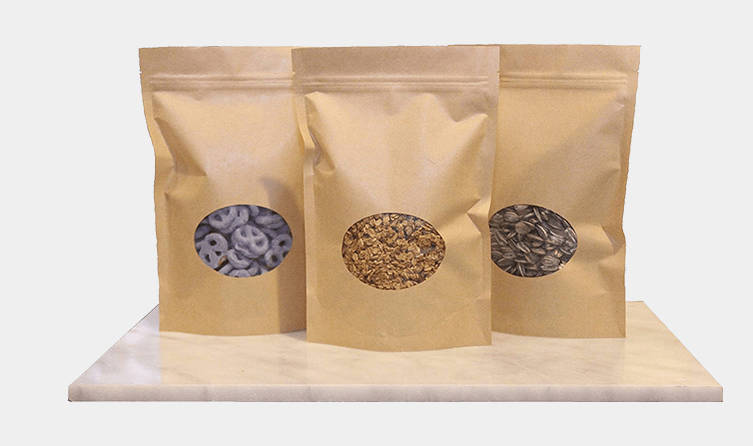
Stand-up pouches, also known as doy-packs, are flexible packaging bags designed to stand upright on their own, thanks to a bottom gusset. They are typically constructed from multiple layers of plastic, foil, and/or paper to create a durable barrier. Their defining features often include a resealable zip-lock, tear notches for easy opening, and a wide, printable surface area that makes them a favorite for retail shelves.
The primary goal of a stand-up pouch is to provide a combination of moderate protection, excellent branding, and superior consumer convenience. While they offer a good barrier against moisture, light, and external air, they do trap ambient air inside upon sealing. This makes them ideal for products like coffee, granola, snacks, pet treats, and powders that are consumed over a short-to-medium period.
What Are Vacuum-Sealed Bags?
Vacuum-sealed bags are simpler in design but rely on an external device—a vacuum sealer—for their primary function. These bags are designed to have all the air from inside the package removed before being heat-sealed. This process, known as vacuum sealing, creates an anaerobic (oxygen-free) environment around the food product.
The core purpose of a vacuum-sealed bag is maximum preservation and shelf-life extension. By removing over 99% of the oxygen, these bags drastically slow down the processes of oxidation, mold growth, and bacterial spoilage. They are the gold standard for long-term freezer storage (preventing freezer burn), sous vide cooking, and preserving bulk items like raw meat, fish, and cheese.
Head-to-Head Comparison: Freshness and Beyond
To make an informed decision, let's compare these two packaging types across several key metrics that impact freshness, usability, and cost.
| Feature | Stand-Up Pouches | Vacuum-Sealed Bags |
|---|---|---|
| Primary Goal | Convenience, Branding, and Presentation | Maximum Freshness and Shelf-Life Extension |
| Oxygen Removal | Low (Traps ambient air inside) | Very High (Removes ~99% of air) |
| Best For Freshness | Short-to-medium term (Days to weeks) | Long-term (Months to years) |
| Convenience & Accessibility | Excellent (Resealable, easy to open/close) | Poor (Requires cutting open and resealing with a machine) |
| Retail Presentation | Excellent (Stands up, large printable surface, windows) | Fair to Poor (Irregular shape, wrinkles from sealing) |
| Protection from Freezer Burn | Fair | Excellent |
| Cost-Effectiveness | Lower per-unit cost, no equipment needed | Requires upfront investment in a vacuum sealer machine |
Oxygen Barrier and Shelf Life: The Core Difference
The single most important factor for long-term freshness is oxygen. Oxygen fuels oxidation, which causes fats to go rancid, vitamins to degrade, and colors to fade. It also enables the growth of aerobic bacteria and mold. This is where vacuum-sealed bags have an insurmountable advantage. By physically removing air, they create an environment where these degradation processes are almost completely halted. Food stored in a vacuum-sealed bag can last 3-5 times longer than in conventional storage.
Stand-up pouches, even those made with high-barrier materials like Mylar or foil, still contain a significant amount of oxygen trapped with the product. While the pouch material prevents new oxygen from getting in, the oxygen already inside will continue to affect the food over time. Therefore, for true long-term preservation, vacuum sealing is the only answer.
Convenience and Accessibility
In the realm of user experience, the stand-up pouch is the clear champion. A consumer can easily open it with a tear notch, take out a portion of the product, and securely reseal it with the built-in zip-lock. This functionality is perfect for multi-use products like snacks, coffee beans, or protein powder. The bag maintains its structure and is easy to store in a pantry.
Vacuum-sealed bags are, by design, inconvenient for repeated access. To open one, you must cut the seal. To re-close it, you must use the vacuum sealer machine again, which consumes a small portion of the bag each time. This makes them ideal for "store and forget" applications, not for items you need to access daily.
The Deciding Factor: When to Choose Which Packaging?
The best packaging solution is not a one-size-fits-all answer. It's about matching the technology to the product's needs and the consumer's behavior. Here’s a simple guide to help you decide.
Choose Vacuum-Sealed Bags For...
Long-Term Freezer Storage: This is the number one use case. Vacuum sealing is unparalleled for preventing freezer burn on meats, poultry, and fish by eliminating air and moisture crystals.
Bulk Food Preservation: Storing large quantities of grains, beans, cheese, or cured meats in the pantry for months or years.
Sous Vide Cooking: The vacuum-tight seal is essential for the sous vide cooking method, ensuring no water gets in and heat is transferred efficiently.
Moisture-Sensitive Items: Protecting items like dehydrated fruits or jerky from reabsorbing moisture from the air over a long period.
Choose Stand-Up Pouches For...
Retail-Ready Products: When product appearance on a shelf is critical. Nuts, granola, candy, dried fruit, and gourmet snacks benefit from the pouch's "billboard" effect.
Frequently Accessed Goods: For any product that a consumer will open and close multiple times, like coffee, tea, protein powder, or pet food. The resealable zipper is key.
Liquids and Powders: Pouches with secure seals and spouts are excellent for liquids, sauces, and fine powders, offering a mess-free and convenient dispensing experience.
Short-to-Medium Shelf Life Items: Products intended to be consumed within a few weeks or months are perfectly suited for the protection a stand-up pouch provides.
Can You Get the Best of Both Worlds?
Yes, to an extent. There are special types of gusseted stand-up pouches, often made from Mylar, that are designed to be used with a vacuum sealer. These are often called "vacuum-sealable stand-up pouches." A user can fill the pouch, use a vacuum sealer (typically a chamber sealer for pouches) to remove the air, and then heat-seal it. This provides the long-term freshness of vacuum sealing with the superior presentation of a stand-up pouch.
This hybrid approach is an excellent option for artisan or high-end products, like gourmet coffee beans or specialty jerky, where both maximum freshness and premium on-shelf appearance are non-negotiable. However, it requires more specialized and often more expensive equipment than standard suction vacuum sealers.
Frequently Asked Questions (FAQ)
Are stand-up pouches airtight?
Once sealed, a high-quality stand-up pouch is airtight in the sense that it prevents air from entering or exiting. However, it is not an *oxygen-free* environment because it traps the air that was inside when it was sealed. The zip-lock mechanism, while convenient, can also be a minor point of failure over long periods compared to a solid heat seal.
Can you vacuum seal a standard stand-up pouch?
Generally, no. Standard zip-lock stand-up pouches are not designed to work with most home vacuum sealers (the suction type). The zip-lock can interfere with the sealing bar, and the material may not be compatible. You need pouches specifically designed for vacuum sealing.
How much longer does vacuum sealing make food last?
Typically, vacuum sealing extends the shelf life of food by 3 to 5 times its normal lifespan. For example, meat that might last 6 months in the freezer can last 2-3 years when vacuum sealed. Coffee beans that go stale in a few weeks can maintain their flavor for months.
What's better for preventing freezer burn?
Vacuum-sealed bags are definitively better. Freezer burn is caused by dehydration and oxidation when food is exposed to the dry, cold air of a freezer. By removing virtually all the air, vacuum sealing creates a protective skin around the food, making it nearly impossible for freezer burn to occur.
The Final Verdict: Aligning Your Packaging with Your Goals
The debate of stand-up pouches vs. vacuum-sealed bags isn't about one being universally "better" than the other; it's about choosing the right tool for the job. Your choice should be guided by your primary goal.
If your mission is uncompromising, long-term preservation—to lock in freshness, defeat freezer burn, and maximize shelf life for months or years—then vacuum-sealed bags are your essential tool. Their ability to create an oxygen-free environment is a scientific advantage that cannot be beaten.
Conversely, if your goal is to captivate customers on a retail shelf, offer ultimate convenience, and protect a product for immediate or near-future consumption, then the stand-up pouch is the superior choice. Its blend of branding power, user-friendly features, and reliable protection makes it the perfect vehicle for a modern consumer product.


