The primary benefits of using stand-up coffee bags with zipper closures are superior freshness preservation by blocking elements like oxygen, moisture, and light; enhanced consumer convenience with an easy-to-use resealable feature; and powerful branding opportunities due to their large, printable surfaces and excellent shelf presence. This modern packaging solution has become the gold standard for specialty coffee roasters and discerning coffee lovers alike, perfectly balancing protection, functionality, and marketing appeal.
What Exactly Are Stand-Up Coffee Bags?
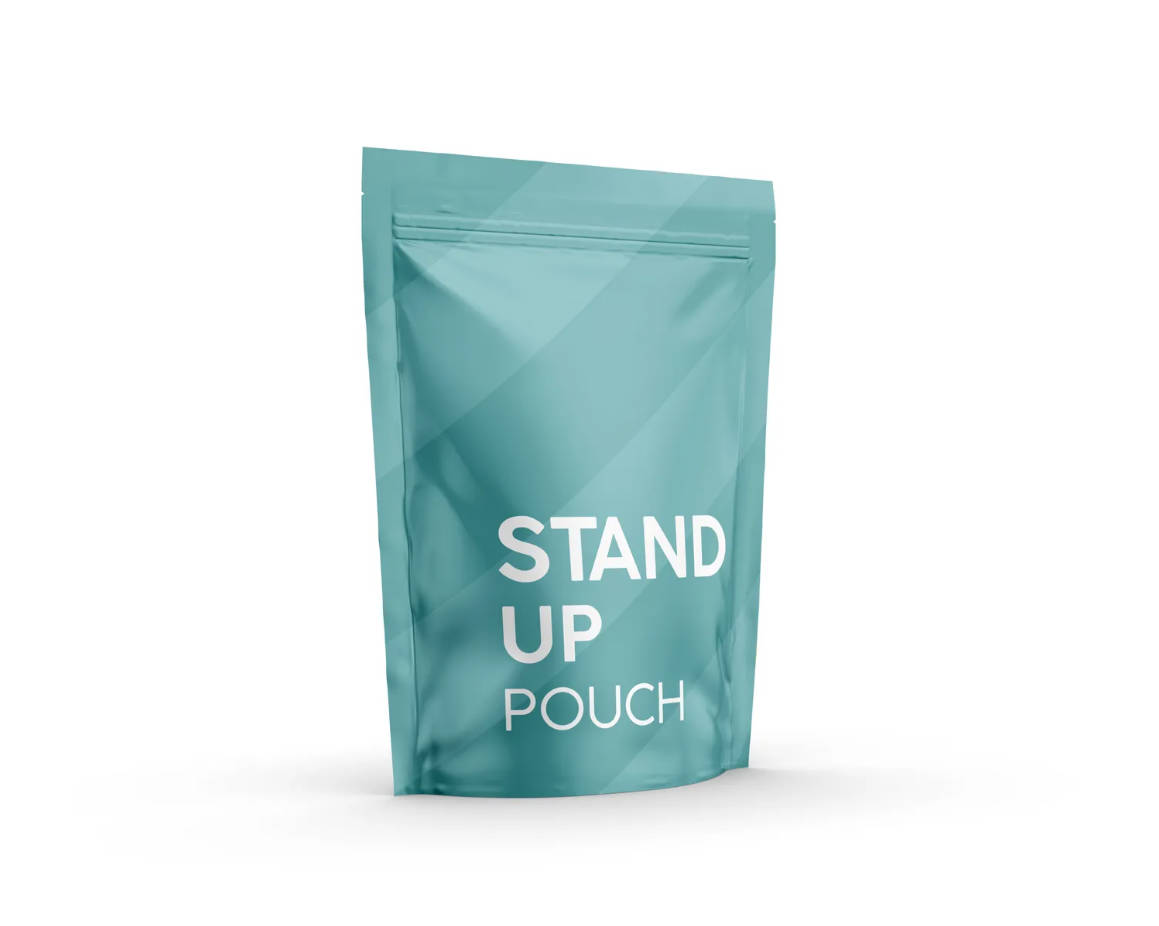
Stand-up coffee bags, often referred to as Doypacks or stand-up pouches, are a form of flexible packaging engineered to stand upright on a shelf. This is achieved through a durable bottom gusset that expands when the bag is filled. Constructed from multiple layers of laminated materials, these bags create a high-barrier environment that protects the contents from external contaminants. The addition of a press-to-close zipper closure transforms this already effective packaging into a reusable container that maintains product integrity long after the initial seal is broken.
Unlike traditional packaging like tin cans or paper bags rolled down with a tin tie, stand-up zipper bags offer a modern, lightweight, and highly functional alternative. The materials often include layers like PET (Polyethylene Terephthalate) for strength and printability, a middle layer of Aluminum or VMPET (Vacuum Metallized PET) for a superior barrier against oxygen and UV light, and an inner layer of LLDPE (Linear Low-Density Polyethylene) for food safety and sealability. This multi-layer construction is the key to their protective qualities, ensuring the delicate aromatic compounds of roasted coffee beans are preserved from the roaster to the final cup.
Why Zipper Closures are a Game-Changer for Coffee Preservation
The moment you open a new bag of coffee, the clock starts ticking. The quality of your coffee beans begins to degrade through a process called oxidation. A simple, well-designed zipper closure is one of the most effective tools in slowing this process down, making it an indispensable feature for anyone who values the true flavor profile of their coffee. This seemingly small detail fundamentally changes the user's relationship with their coffee, transforming the package from a disposable wrapper into a dedicated storage vessel.
The Battle Against Coffee's Arch-Enemies: Oxygen, Moisture, and Light
Freshly roasted coffee has three primary enemies that seek to rob it of its flavor and aroma: oxygen, moisture, and UV light. Oxygen causes oxidative degradation, making the coffee taste stale and flat. Moisture can dissolve the soluble solids in coffee and accelerate staling, while also creating a potential environment for mold. UV light breaks down the delicate chemical compounds and oils responsible for coffee's complex flavors. A high-quality stand-up bag with a reliable zipper serves as a fortress against these elements. The multi-layer material blocks light and moisture, and the airtight seal created by the zipper dramatically reduces the ingress of new oxygen after each use, far more effectively than a tin tie or a bag clip.
The Critical Role of the One-Way Degassing Valve
When you see a small, plastic disc on a coffee bag, you're looking at a one-way degassing valve—the zipper's essential partner. Freshly roasted coffee beans release a significant amount of carbon dioxide (CO2) for several days in a process called degassing. If this gas were trapped in a completely sealed bag, it would rupture. The one-way valve brilliantly solves this by allowing CO2 to escape without letting any oxygen in. This combination is crucial: the valve protects the bag's integrity and allows roasters to package beans quickly, while the zipper closure ensures that once the consumer opens the bag, it can be resealed to keep oxygen out for the life of the product. A bag with a zipper but no valve is missing a key piece of the freshness puzzle for whole-bean coffee.
Top 7 Benefits of Using Stand-Up Coffee Bags with Zippers
The widespread adoption of stand-up zipper bags in the specialty coffee industry is no accident. It's a direct result of a powerful combination of benefits that serve the roaster, the retailer, and the end consumer. Let's explore the key advantages that make this packaging format a superior choice.
1. Unparalleled Freshness and Flavor Lock
This is the paramount benefit. The core mission of any coffee packaging is to preserve the quality of the beans. The airtight seal of a zipper closure, combined with the high-barrier materials of the bag, creates an ideal micro-environment for coffee. By minimizing exposure to oxygen and humidity after every use, the bag effectively pauses the staling process. This means the last cup of coffee brewed from the bag will taste remarkably similar to the first, preserving the roaster's intended flavor notes—whether they are bright and citrusy or deep and chocolaty. The audible "click" of the zipper provides sensory confirmation that the bag is securely sealed, offering peace of mind.
2. Supreme Consumer Convenience
Modern consumers value convenience, and stand-up zipper bags deliver it in spades. There is no need for secondary storage solutions like canisters or containers, and no fumbling with clumsy bag clips or rubber bands. The user simply opens the zipper, scoops or pours their beans, and reseals the bag. The stand-up design prevents tipping and spilling in the pantry, keeping countertops and shelves clean. This user-friendly design enhances the overall coffee ritual, making it a seamless and enjoyable experience from start to finish.
3. Powerful Branding and Shelf Appeal
For coffee roasters, packaging is a silent salesman. A stand-up bag presents a large, flat, uninterrupted canvas on both its front and back panels, perfect for stunning graphics, compelling storytelling, and essential product information. When placed on a retail shelf, its upright posture gives it a confident, professional presence that naturally draws the eye, standing out from traditional lay-flat bags. This "shelf billboard" effect is a powerful marketing tool that can significantly influence purchasing decisions in a crowded marketplace. Custom printing options allow for matte or gloss finishes, metallic accents, and clear windows to showcase the beans, further elevating the brand's premium perception.
4. Enhanced Durability and Product Protection
Stand-up pouches are engineered for resilience. Their multi-layer, laminated structure makes them highly resistant to punctures, tears, and moisture during shipping and handling. This is a significant advantage over thin paper bags, which can be easily damaged. The robust construction ensures that the coffee arrives at the cafe or the customer's home in perfect condition, protecting the roaster's investment and reputation. The flexible nature of the bag also allows it to absorb impacts better than rigid containers like glass jars, reducing the risk of breakage and product loss.
5. A Step Towards Sustainable Packaging
While the sustainability of flexible packaging is a complex topic, stand-up bags offer notable advantages over traditional rigid options. They require significantly less material to produce and are much lighter than glass, metal, or rigid plastic containers. This translates to a lower carbon footprint during transportation. Furthermore, the industry is rapidly innovating with more eco-friendly options, including bags made from post-consumer recycled (PCR) materials, fully recyclable mono-material plastics (like PE/PE structures), and certified commercially compostable materials like PLA (Polylactic Acid), offering brands a way to align their packaging with their environmental values.
6. Cost-Effectiveness for Roasters
From a business perspective, stand-up zipper bags are an economically sound choice. They typically have a lower per-unit cost than rigid containers. Their lightweight and compact nature reduces shipping and warehousing costs, as more units can be transported and stored in the same amount of space. By minimizing product spoilage and damage during transit, they also help reduce overall losses. This combination of lower material, shipping, and storage costs allows roasters to invest more in the quality of their beans while still offering a premium packaging experience.
7. Versatility for Different Coffee Products
The stand-up zipper bag format is incredibly versatile and is not limited to whole-bean coffee. It is an excellent choice for ground coffee, where preventing oxidation is even more critical due to the increased surface area. They are also widely used for instant coffee, coffee pods, and even coffee-related confections. The ability to customize the size, shape, material, and features (like tear notches and hang holes) makes it an adaptable solution for a wide range of products within a coffee brand's portfolio, creating a cohesive and professional look across all offerings.
Choosing the Right Stand-Up Bag: A Quick Buyer's Guide
Not all stand-up bags are created equal. When selecting packaging, it's important to consider the materials and features that best suit your brand's needs and values. The right choice depends on balancing barrier properties, aesthetics, and sustainability goals.
| Material Type | Key Features | Best For |
| Kraft Paper / Foil Lined | Natural, earthy look. Excellent barrier properties due to foil lining. Great for printing. | Brands wanting an artisanal, organic aesthetic without compromising on freshness. |
| Matte Finish (Mylar/PET) | Modern, premium, soft-touch feel. Hides fingerprints. Excellent oxygen and moisture barrier. | High-end specialty coffee roasters aiming for a sophisticated, minimalist brand identity. |
| Gloss Finish (PET) | Vibrant color reproduction. Shiny, eye-catching appearance on the shelf. Strong barrier. | Brands with bold, colorful graphics that want to "pop" on the retail shelf. |
| Recyclable (Mono-Material) | Made from a single type of plastic (e.g., PE) for easier recycling. Good barrier properties. | Environmentally conscious brands prioritizing a circular economy. |
Frequently Asked Questions (FAQ)
Are all stand-up coffee bags with zippers recyclable?
Not traditionally. Most standard bags are made of multiple laminated layers of different materials, which makes them difficult to recycle. However, there is a growing market for "store drop-off" recyclable and fully recyclable mono-material bags. Always check the packaging for specific recycling instructions like the "How2Recycle" label.
How does the degassing valve work without letting air in?
The valve contains a simple membrane that is pushed open by the higher pressure of the CO2 gas inside the bag. Once the pressure equalizes with the outside air pressure, the valve closes, forming a seal. The lower atmospheric pressure outside is not strong enough to push the valve open from the other direction, effectively preventing oxygen from entering.
Can I use these bags for ground coffee as well as whole beans?
Absolutely. In fact, they are even more crucial for ground coffee. Because ground coffee has a much larger surface area exposed to air, it goes stale significantly faster than whole beans. The airtight zipper seal is essential for preserving the freshness of pre-ground coffee between uses.
The Final Verdict: Are Stand-Up Zipper Bags Worth It?
Without a doubt, yes. Stand-up coffee bags with zipper closures represent the pinnacle of modern coffee packaging. They offer an unmatched synergy of form and function that benefits every stakeholder in the coffee supply chain. For roasters, they provide a cost-effective, durable, and powerful marketing tool. For consumers, they deliver a superior experience through remarkable convenience and, most importantly, the preservation of the coffee's precious flavor and aroma.
By effectively neutralizing coffee's greatest enemies—oxygen, moisture, and light—while simultaneously enhancing shelf presence and user-friendliness, these bags are more than just a container. They are an integral part of the specialty coffee experience, ensuring that the hard work and artistry of the coffee grower and roaster are fully realized in every single cup. Investing in this type of packaging is a clear statement of a brand's commitment to quality and customer satisfaction.


