How History, Climate, and Flavor Are Being Rewritten
Brazilian coffee has shaped how the world drinks coffee for generations. It defines baseline flavor expectations, anchors global supply, and stabilizes prices across markets. Today, it still plays that role, but under growing strain.
Climate pressure, shifting production choices, and evolving consumer expectations are changing not just how Brazilian coffee is grown, but how it tastes, how it’s traded, and how it reaches the cup.
Understanding this shift helps explain why coffee prices feel less predictable, why flavor profiles are diversifying, and why long-term decisions now matter more than short-term volume.
Why Coffee Prices Are Rising and Why Brazil Matters
Most people notice market change when it reaches their cup. Over the past year, that moment arrived quietly. Coffee prices edged higher. Promotions became rarer. Subscription costs adjusted upward.
Behind this was a sharp rise in both Arabica and Robusta futures, driven not by speculation alone but by real supply stress. For a country long viewed as the world’s most reliable coffee source, Brazil suddenly became a source of uncertainty.
This matters because Brazil is not just another origin. It sets the reference point for global coffee pricing, availability, and even flavor expectations. When Brazil becomes unstable, the entire system feels it.
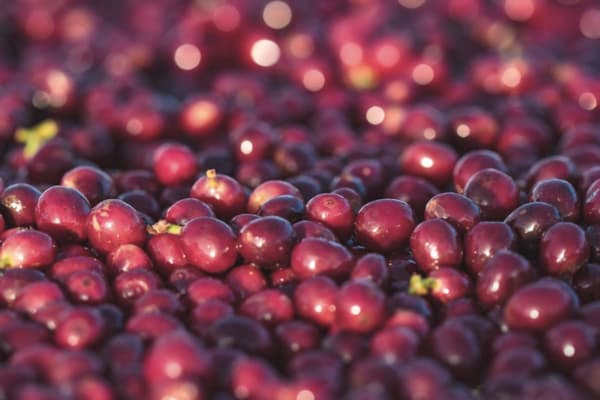
How Brazil Built Its Coffee Dominance
Coffee arrived in Brazil in the early 18th century, commonly traced to 1727. What followed was not gradual adoption, but rapid expansion driven by land availability, climate suitability, and global demand.
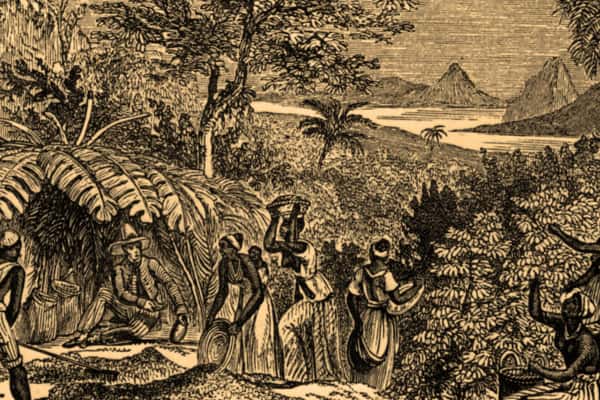
How Coffee Scaled Through Labor and Land
By the 19th century, large plantations spread across southeastern Brazil. Coffee production relied heavily on enslaved labor, allowing Brazil to scale faster than any other producing nation. The result was consistency, volume, and a flavor profile that became globally familiar.
After slavery was abolished in 1888, immigration from Europe and Japan reshaped farm structures. Many of today’s coffee-growing families trace their roots to this transition, which brought new farming practices and regional diversity.
Why Coffee Became Central to Brazil’s Economy
Coffee revenues funded railways, ports, and export infrastructure. Entire regions developed around moving coffee efficiently to global markets. This focus reinforced Brazil’s role as a dependable supplier of clean, balanced coffees often associated with nutty sweetness, cocoa tones, and low acidity.
How Market Crashes Tested Brazil’s Coffee System
During the Great Depression, collapsing prices forced government intervention. Stockpiles were destroyed to stabilize the market. The response showed how deeply coffee was woven into Brazil’s economic survival.
Why Volume Became Brazil’s Competitive Advantage
Mechanization in the mid-20th century cemented Brazil’s dominance. Flat terrain enabled machine harvesting. Standardized processing delivered uniform results. Brazilian coffee became known for reliability rather than surprise, forming the backbone of blends worldwide.
How Climate Stress Is Reshaping Brazilian Coffee
That production model now faces sustained pressure.

Why Frost and Drought Became Repeated Threats
The severe frost of 2021 was not an isolated event. It was followed by irregular rainfall, prolonged drought, and additional frost episodes in 2024. These disruptions exposed how sensitive large-scale systems are to climate instability.
How Extreme Weather Affects Yield and Flavor
On farms, climate stress shows up in visible ways.
Trees lose leaves and energy reserves
Flowering becomes uneven and unpredictable
Bean development shortens, affecting density and size
In the cup, this can mean flatter sweetness, less structure, or inconsistent lots when conditions prevent full maturation.
Why Some Farmers Are Leaving Coffee Behind
In heavily affected regions, particularly parts of the Cerrado, some producers permanently switched to grains. Coffee is a long-term crop. When risk outweighs return, land use changes quickly and rarely reverses.
Why Robusta Is Gaining Ground Over Arabica
Robusta tolerates heat, delivers higher yields, and avoids biennial cycles. As a result, its share of Brazilian production continues to rise. Arabica volumes shrink, tightening supply for higher-quality segments.
Why Brazil’s Harvest Shapes the Global Market
Because Brazil anchors global supply, any uncertainty pushes prices higher. Even small production revisions ripple through futures markets, influencing costs far beyond South America.
How Brazil Is Adapting and Rethinking Coffee Quality
Despite pressure, adaptation is underway.
Why Recovery Will Take Time
Experts broadly agree that meaningful recovery will not happen before 2026. Coffee trees need time, and climate patterns remain unpredictable.
What Adaptation Looks Like in Coffee Farming
Producers are adjusting with practical measures.
Improved pruning to manage plant stress
Expanded irrigation where feasible
Strategic variety selection based on climate exposure
These changes prioritize resilience before optimization.
How Specialty Coffee Is Changing Brazil’s Image
Alongside adaptation, quality innovation is accelerating. Producers experiment with controlled fermentation, micro-lot separation, and improved post-harvest handling. The result is a wider flavor spectrum.
Today’s Brazilian coffees can still deliver classic chocolate and nut profiles, but increasingly show citrus brightness, stone fruit sweetness, floral aromatics, and layered acidity when conditions allow.
Competitions and specialty programs highlight this shift, reshaping global perception.

Why Long-Term Resilience Matters More Than Ever
Rising temperatures and shifting rainfall patterns will not reverse. Long-term success depends on aligning farming practices, processing decisions, and downstream handling with this reality.
What Brazil’s Coffee Shift Means for the Market and Consumers
Market Sensitivity
Brazil’s production forecasts influence the C price more than any other origin. Traders, roasters, and importers adjust strategies accordingly.
Industry Response
Brands increasingly diversify sourcing and invest in transparency. How coffee is stored, packaged, and communicated now directly affects freshness, waste reduction, and shelf stability.
For Brazilian coffee in particular, maintaining aroma, preventing oxidation, and preserving flavor clarity become more important as variability increases.
The Consumer Perspective
Consumers face higher prices, but also broader choice. Brazilian coffee is no longer a single flavor expectation. It spans from reliable base profiles to expressive specialty lots shaped by farm-level decisions.
What the Future of Brazilian Coffee Looks Like
Brazilian coffee is moving through a structural transition. It remains the world’s most important producer, but no longer operates on predictability alone.
It must balance volume with resilience, consistency with innovation, and efficiency with long-term sustainability. This dual role defines its future.
For those working with Brazilian coffee, understanding these dynamics helps guide responsible sourcing, clearer communication, and smarter packaging decisions that protect both product quality and environmental goals.
At GAIA, our role sits within this transition. We work with brands navigating these changes by supporting flexible packaging solutions that protect freshness, extend shelf life, and align with evolving sustainability expectations. The goal is not to oversell complexity, but to help coffee move from farm to cup with fewer compromises.
Understanding Brazilian coffee today is not about nostalgia. It is about adaptation, responsibility, and making informed choices that respect both flavor and future.
FAQ
Why do global coffee prices rise even when Brazil reports higher production?
Even when total output rises, much of the increase comes from Robusta. Arabica production remains constrained by climate stress, while global demand continues to grow. Because Robusta cannot fully replace high-quality Arabica used in specialty and premium segments, supply pressure persists and prices remain elevated.
What separates specialty Brazilian coffee from traditional commercial Brazilian coffee?
Commercial Brazilian coffee prioritizes scale, consistency, and cost efficiency, often delivering nutty or chocolate-forward profiles. Specialty Brazilian coffee focuses on specific varieties, microclimates, and controlled processing methods. These factors create brighter acidity, fruit notes, and layered sweetness that compete with other established specialty origins.
How can consumers identify high-quality Brazilian coffee?
Consumers should look for transparent origin details such as region, farm, or cooperative, along with clear processing methods. Flavor descriptions that go beyond generic terms are helpful. Recognition from organizations like the Brazil Specialty Coffee Association or Cup of Excellence programs also signals a stronger focus on quality.
Will climate change make Brazilian coffee unavailable in the future?
Brazil will remain a major coffee producer, but its production landscape will evolve. Expect shifts toward higher elevations, wider use of climate-resilient varieties, and clearer separation between commercial and specialty coffees. Availability will continue, but quality, pricing, and origin diversity are likely to change over time.


