Coffee is more than just a drink—it’s a global journey that spans continents and cultures. From its mythical origins in Ethiopia to its spread across the world, coffee has evolved into an essential part of daily life. But have you ever wondered where coffee truly comes from? Let’s take a closer look at the entire journey of coffee, from farm to cup.
The Origins and Spread of Coffee
The Mythical Discovery of Coffee
Legend has it that coffee was discovered by Kaldi, an Ethiopian goat herder. Kaldi noticed that his goats became energized after eating berries from a particular shrub. This discovery eventually led to the cultivation and widespread use of coffee. The earliest records of coffee consumption date back to the 9th century in Ethiopia, where coffee was first enjoyed in the form of a simple brew.
Coffee’s Journey Across Continents
From Ethiopia, coffee made its way to the Middle East in the 16th century. By the 18th century, European colonial powers, like the Dutch East India Company, spread coffee to Southeast Asia and the Americas. This global expansion laid the foundation for today’s coffee industry, establishing key growing regions around the world.
Where Coffee Grows Today
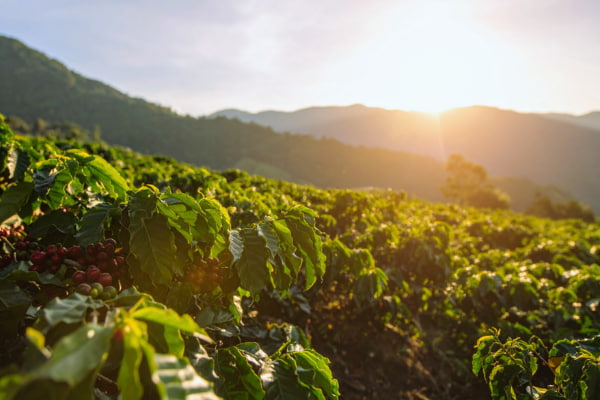
Today, coffee is grown in the "coffee belt," a region that spans Central and South America (Colombia, Brazil), Africa (Ethiopia), and parts of Asia (Indonesia, Vietnam). These regions have the ideal climate, altitude, and soil conditions necessary for coffee cultivation.
The Growing and Cultivation of Coffee
Coffee’s journey doesn’t end with its global spread—it also depends on the perfect conditions to grow. So, how does coffee go from a cherry to a brew in your cup?
Coffee: A Fruit, Not a Bean
Though we often refer to them as “coffee beans,” the seeds we consume come from the coffee cherry, which is a fruit. The coffee tree produces these cherries, and inside each one lies the seed that will eventually become your coffee.
What Makes Coffee Grow Well
To produce high-quality coffee, the following conditions are crucial:
Altitude: Arabica coffee, considered the best variety, thrives at altitudes between 900 and 1500 meters, where the cooler temperatures slow the coffee's growth and develop its flavor.
Climate: Coffee requires a stable, warm climate with plenty of sunlight and rainfall throughout the year.
Soil: Fertile, volcanic soils or deep, rich loam are ideal for coffee cultivation.
How Coffee Trees Grow
Once planted, it typically takes 3-4 years for coffee trees to begin producing fruit. After flowering, the coffee cherries start out green, then ripen to red or purple over time. During this phase, it’s essential to ensure optimal growing conditions so the cherries ripen perfectly.
The Harvesting of Coffee: Hand-Picking vs. Mechanical
Harvesting coffee is one of the most critical steps in ensuring quality, and there are two main methods for picking the cherries:
Hand-Picking: Ensuring Quality with Care
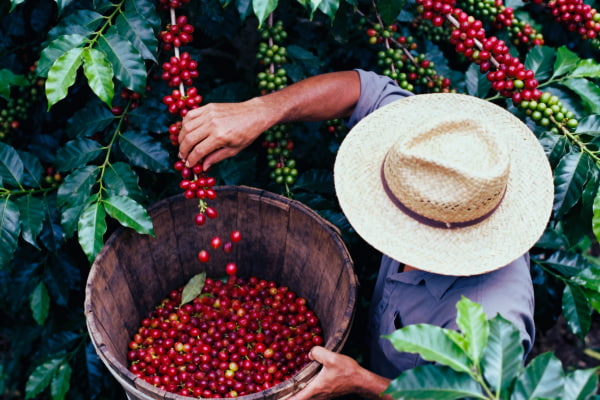
In mountainous regions, coffee is typically hand-picked. This labor-intensive process ensures that only ripe cherries are selected, preserving the coffee’s flavor profile. Although it is time-consuming, hand-picking guarantees high-quality beans, particularly in premium coffee-growing regions.
Mechanical Harvesting: Cost-Effective for Flat Regions
In flatter regions, such as parts of Brazil, machines are often used for harvesting coffee. While this method allows for more efficient, large-scale harvesting, it may result in the inclusion of unripe or overripe cherries, which can affect the final taste.
Coffee Processing: Key to Shaping Flavor
Once coffee cherries are harvested, they undergo processing, a crucial step that significantly impacts the flavor profile of the final cup. The processing method determines whether the coffee will taste bright, fruity, or earthy.
Sun-Dried (Natural) Processing: The Traditional Method
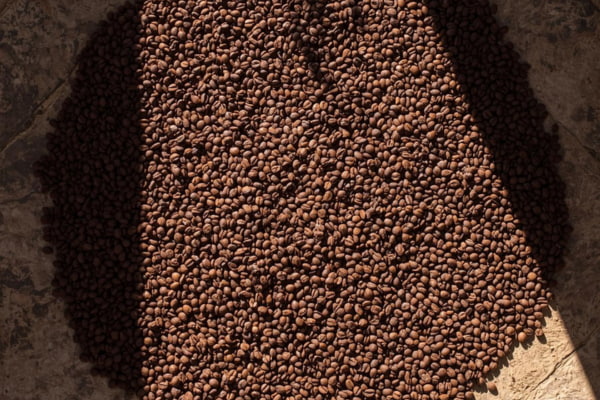
Process: The whole cherries are spread out to dry in the sun, then the outer layers are removed.
Characteristics: This method is typically used in drier regions and results in coffee with a rich, full-bodied flavor and pronounced sweetness.
Risk: If improperly managed, sun-drying can lead to over-fermentation and undesirable flavors.
Washed (Wet) Processing: Clean and Bright
Process: The outer layers of the cherry are removed using water, followed by fermentation and drying.
Characteristics: The washed method produces coffee with clean, bright flavors and higher acidity.
Benefits: This method results in a more stable flavor and consistent roasting quality.
Honey Processing: The Best of Both Worlds
Process: After removing the skin, some of the fruit pulp (mucilage) is left on the beans during drying.
Characteristics: This method strikes a balance between sun-dried and washed coffee, resulting in coffee that is both sweet and full-bodied, with a complex flavor profile.
The Export and Trade of Green Coffee Beans
After coffee is processed, it is known as green coffee beans and is ready for export. These beans are packed carefully to maintain their freshness during shipping.
Packaging and Shipping Green Coffee Beans
Packaging: Green coffee beans are packaged in burlap sacks with an inner protective lining to prevent moisture and preserve freshness.
Shipping: Coffee beans are shipped in containers, with careful attention paid to humidity levels to prevent mold or flavor degradation during transport.
Quality Control in Coffee Trade
Before coffee reaches consumers, green beans undergo cupping, a process in which the coffee’s aroma, flavor, and consistency are evaluated to ensure it meets the desired quality standards.
Roasting Coffee: The Heart of Flavor Development
Once green beans arrive at the roasters, they undergo a chemical transformation that brings out the rich flavors coffee lovers enjoy. Roasting is a crucial step, as it develops the coffee’s signature aromas and taste.
The Science of Roasting
Roasting coffee triggers chemical reactions, such as the Maillard reaction, that create the characteristic flavor and aroma we associate with coffee. The roasting process involves gradually heating the beans to the desired temperature and degree of darkness.
Roasting Levels: From Light to Dark
Light Roasts: Preserve the coffee’s original flavors, including fruity, floral, and acidic notes.
Medium Roasts: Balance the natural flavors of the coffee with roasted characteristics, offering a well-rounded taste.
Dark Roasts: Typically produce a bold, smoky flavor that masks the coffee’s origin characteristics.
Grinding and Brewing: The Final Step to Perfection
Grinding Fresh Coffee
To make the most flavorful cup, it’s best to grind coffee just before brewing. The grind size should match the brewing method to ensure optimal extraction.

Brewing: The Art of Making Coffee
The final step in the coffee journey is brewing. From French press to espresso, the water temperature, brewing time, and coffee-to-water ratio all influence the flavor of your coffee. This step allows coffee enthusiasts to personalize their cup to suit their taste.
FAQ
Is coffee really a "bean"?
No, coffee is actually the seed of a fruit called the coffee cherry. It’s commonly called a "bean" due to its shape, but technically, it’s a seed.
How does processing affect the flavor of my coffee?
The processing method plays a huge role in flavor. Here’s a breakdown:
Washed: Clean and bright flavors with higher acidity.
Sun-Dried: Rich, sweet flavors, often with berry or wine notes.
Honey Process: Sweetness balanced with full body and fruity notes.
How should I store my coffee to preserve its freshness?
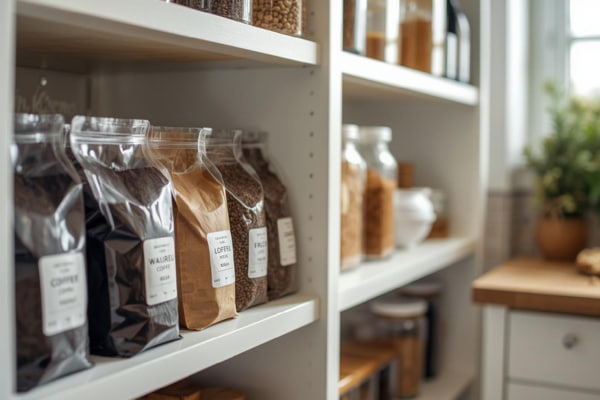
Store coffee in a cool, dark, dry place. Use airtight containers or specially designed coffee bags with one-way valves. Avoid refrigeration or freezing to prevent condensation and spoilage.
Does dark-roast coffee have less caffeine?
No, caffeine content remains stable during roasting. Dark roasts may appear to have less caffeine by volume, but by weight, the caffeine content is similar to lighter roasts.
How can consumers support a sustainable coffee industry?
Support coffee with certifications like Fair Trade, Rainforest Alliance, or Organic, which ensure better farming practices and fairer conditions for farmers. Also, buying from roasters who prioritize direct trade helps.
Where does most of our coffee come from?
Most of the world’s coffee comes from countries in the coffee belt, including Brazil, Colombia, Ethiopia, Vietnam, and Indonesia. These regions have the ideal climate for growing coffee.
Sustainability in the Coffee Journey
At GAIA, we believe in supporting sustainable coffee practices. Our packaging solutions are designed with the environment in mind, offering eco-friendly options that reduce waste and support fair trade principles.


