How Coffee Came to El Salvador and Shaped Its Culture
Coffee is more than just a drink in El Salvador—it’s part of the country’s identity, economy, and history. This article explores how coffee was introduced to El Salvador, how it evolved, the unique qualities that make Salvadoran coffee special, and its cultural and societal impact.
The Arrival of Coffee: A Journey Through History
When and How Coffee Arrived
Coffee arrived in El Salvador in the 18th century, brought by Spanish colonists. At the time, Europe’s demand for coffee was rising, and the colonists saw it as a profitable crop for export.
The volcanic soil and ideal climate in El Salvador made it a perfect place for coffee cultivation, helping it thrive in the country.
Key Figures and Pat
hways
Gerardo Barrios, President in the 19th century, played a key role in promoting coffee farming. He introduced coffee plants from neighboring countries like Guatemala and Costa Rica and began experimenting with coffee cultivation on his estate, Finca Gavidia.
Barrios’ efforts marked the beginning of coffee’s widespread planting across the country.
Early Coffee Planting Regions
The first coffee plants were likely grown in the western highlands, such as in Santa Ana and Ahuachapán. These areas, with fertile volcanic soils and high altitudes, provided ideal conditions for coffee cultivation. Over time, the coffee industry spread to other regions like Chalatenango and La Libertad.
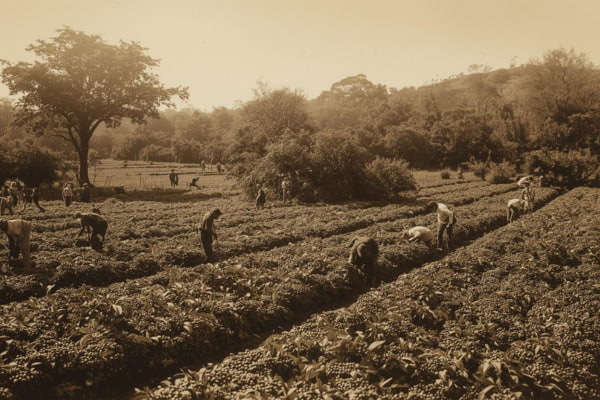
How Coffee Grew in El Salvador
Geographical and Natural Advantages
El Salvador’s volcanic soil is rich in minerals, giving its coffee a distinct flavor. High-altitude areas, ranging from 500 to 1500 meters, offer a cooler climate that extends the maturation period, allowing the flavors to develop fully.
These natural factors contribute to Salvadoran coffee’s exceptional quality and unique flavor profiles.
Evolution of Coffee Processing Methods
In the early days, coffee was processed using the “trilla” method. This traditional technique involved oxen pulling large stones to grind the coffee cherries.
As the coffee industry grew, mills known as beneficios were established, introducing mechanical processing methods by the late 19th century. In the 1970s, coffee cooperatives like Ciudad Barrios emerged, allowing small-scale farmers to join forces for collective production and exportation.
Changes in Industry Structure
The coffee industry in El Salvador transitioned from being dominated by large landowners to a more balanced system, where small farmers and cooperatives played a significant role. In recent decades, sustainability has become a priority, with many producers seeking certifications such as Rainforest Alliance to maintain global competitiveness.

What Makes Salvadoran Coffee So Special?
Flavor Characteristics
Salvadoran coffee is known for its bright acidity, floral notes, and citrus flavors. The smooth, clean cup often features a sweet aftertaste. Some batches also offer chocolate, nut, and caramel notes, giving the coffee added complexity.
International Recognition and Certifications
El Salvador’s coffee is highly regarded worldwide, frequently winning awards for its quality. Certifications like Rainforest Alliance and UTZ are granted to farms that meet sustainable farming and environmental standards, adding to the global recognition of Salvadoran coffee.
Coffee Farming and Processing Practices
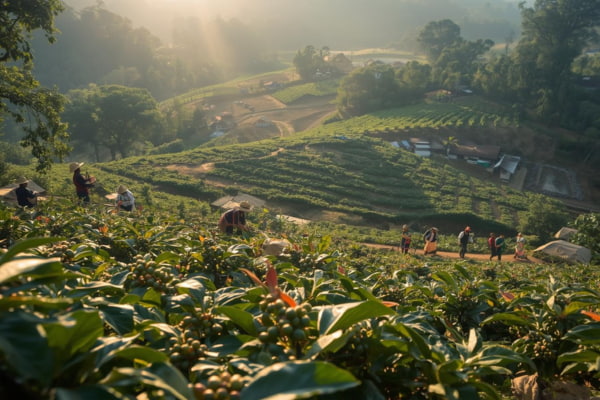
Salvadoran farmers take pride in hand-picking the coffee cherries and sorting them with care. The washed processing method, commonly used, helps preserve the clean and bright flavors. Many farms now focus on shade-growing, organic farming, and soil conservation, emphasizing sustainability.
Coffee’s Role in Shaping El Salvador’s Society and Culture
Shaping the Economic Landscape
By the late 19th century, coffee became El Salvador’s main export, accounting for over 90% of total exports at one point. The coffee industry played a significant role in shaping the country’s economic landscape, giving rise to the “coffee baron” class, or Barones del Café.
Social Classes and Conflicts
However, land reforms in El Salvador left many farmers landless, creating a class of impoverished laborers. This led to social unrest, culminating in the 1932 peasant uprising, La Matanza, where thousands of rural workers were killed. Coffee remained a central issue during the Salvadoran Civil War in the 1980s.
Cultural Identity and Everyday Life
Coffee is not only an economic asset in El Salvador, but also a cultural symbol. It is deeply embedded in daily life, social gatherings, and family rituals. Coffee festivals and tours of coffee plantations have become key cultural attractions, celebrating the country’s rich coffee heritage.
Post-War Reconstruction and Community Role
After the civil war, coffee cooperatives became an essential part of rural rebuilding efforts. Coffee farming provided jobs in rural areas, helping to curb migration to cities. Today, coffee continues to be a vital source of income for Salvadorans, both in urban and rural areas.
Final Thoughts: The Legacy of Salvadoran Coffee
The history of coffee in El Salvador is intertwined with the country’s economic, social, and cultural evolution. From its introduction in the 18th century to its current status as a global commodity, Salvadoran coffee has remained a symbol of resilience and pride. It continues to be a central part of El Salvador’s identity and a cornerstone of its agricultural economy.

FAQ
Why is Salvadoran coffee so special?
Salvadoran coffee is unique due to its volcanic soil, high-altitude climate, and traditional Arabica varieties like Bourbon and Pacamara. These factors, along with careful harvesting and processing, produce coffee with bright acidity and smooth flavors.
What are the main coffee-growing regions in El Salvador?
Key coffee-growing regions in El Salvador include Santa Ana, Ahuachapán, Chalatenango, and La Libertad. These areas benefit from rich volcanic soil and high altitudes, creating ideal conditions for coffee cultivation.
How did coffee arrive in El Salvador?
Coffee was brought to El Salvador in the 18th century by Spanish colonists. In the mid-19th century, President Gerardo Barrios further promoted its cultivation, expanding the coffee industry across the country.
How has coffee influenced Salvadoran culture?
Coffee is integral to Salvadoran culture, woven into daily life, family traditions, and social gatherings. It also plays a key role in local festivals and coffee farm tours, reinforcing its cultural significance.
Is the Salvadoran coffee industry sustainable?
Many Salvadoran coffee farms focus on sustainable practices, including shade-growing, organic farming, and certifications like Rainforest Alliance, ensuring long-term environmental and social responsibility.
How did the Coffee Republic emerge in El Salvador?
The Coffee Republic refers to the dominance of the coffee industry in El Salvador during the late 19th and early 20th centuries, when powerful coffee barons controlled vast landholdings and influenced the country’s political and economic structure.
What economic gains did coffee bring to El Salvador?
Coffee has been a major economic driver for El Salvador, historically accounting for a large portion of exports. It created wealth for landowners, while also providing jobs and shaping the country’s agricultural economy.
At GAIA, we understand the value of high-quality products and sustainability in every industry. Our flexible packaging solutions are designed to meet the needs of businesses in the coffee industry, ensuring that your products stay fresh and environmentally responsible. Let us help you protect your products with packaging that reflects the quality and care behind them.


