Why cookie packaging matters more in Hawaii
In Hawaii, cookie packaging fails more often because of material choice and filling conditions, not because of design.
This is the core issue many brands underestimate.
Hawaii’s warm and humid climate accelerates moisture absorption and oil migration. Cookies that hold up well on the mainland can soften, lose texture, or show grease stains much faster here if packaging decisions are not adjusted.
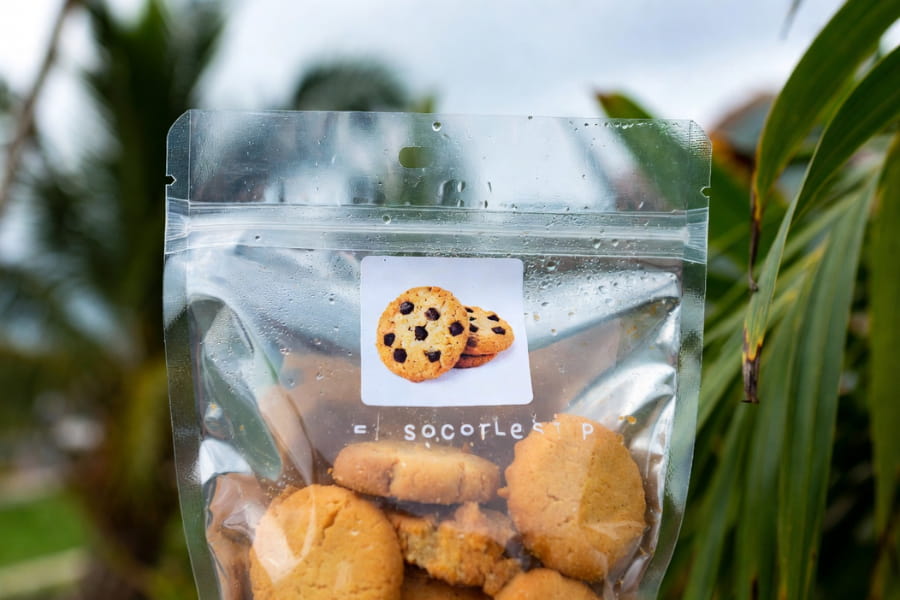
The local market also has unique pressures. Cookies are frequently purchased as gifts or souvenirs, which means packaging must protect freshness while still looking premium and travel-ready.
Sustainability expectations add another layer. Many Hawaii consumers actively check whether packaging aligns with environmental values. Packaging choices are not just functional. They signal brand responsibility.
Start by defining what your cookie packaging needs to do
Which type of cookie packaging fits your product
Packaging decisions should begin with how the product will be sold, not how it should look.
Individually wrapped cookies for freshness, portion control, and gifting
Multi-cookie pouches for everyday retail and repeat purchases
Gift boxes for premium positioning and tourism-driven sales
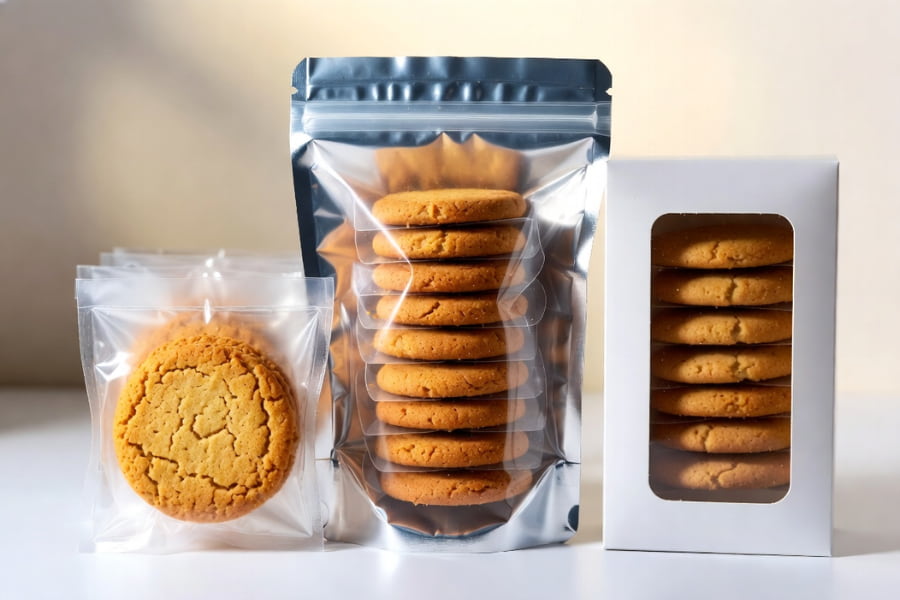
Visibility matters, but protection matters more.
Many brands moving from mainland markets to Hawaii underestimate this trade-off.
How to choose the right size and capacity
Oversized packaging is one of the most common mistakes we see.
Measure cookie diameter, thickness, and oil content
Define the exact quantity per pack before selecting a structure
Plan for how products will sit on shelves, hooks, or counters
In Hawaii retail, slow turnover magnifies packaging weaknesses. Right-sizing helps control both cost and quality risk.
Using packaging design to communicate your brand
Design supports sales, but only if the structure performs.
Provide reference images or sketches early
Decide where logos, claims, and expiration information must appear
Avoid designs that force structural compromises
From a manufacturing perspective, unclear design direction often leads to rework, delays, or unexpected cost increases.
How to choose the right packaging materials for cookies
Common cookie packaging materials and when to use them
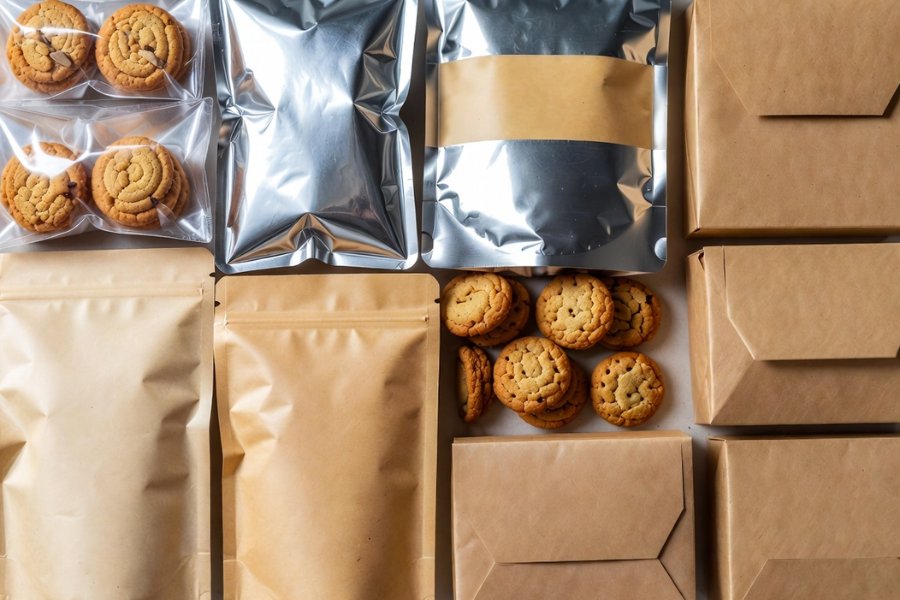
Material choice is where Hawaii changes the rules.
PET clear bags look clean but offer limited moisture and oxygen protection
Metalized materials such as METPET provide strong barrier performance for grocery and gift retail
Compostable materials support sustainability goals but depend on proper disposal infrastructure
Paperboard packaging works best as secondary packaging for gift sets
What works in dry climates often underperforms in Hawaii without added barrier layers.
How packaging materials affect shelf life
Cookies with butter or oils place higher demands on packaging.
Poor grease resistance leads to visible staining
Weak moisture barriers shorten texture stability
Inconsistent sealing causes early quality loss
We often see brands forced to change materials after launch because shelf life testing was skipped or rushed. Early testing prevents expensive corrections later.
How your production and filling process affects packaging
What to share with your packaging supplier early on
Packaging should match your process, not the other way around.
Manual versus automated filling
Sealing methods and line speed
Labeling and date coding requirements
From a manufacturer’s standpoint, incomplete production details are a major source of misaligned packaging recommendations.
Why filling conditions matter for cookie quality
Filling environment is frequently overlooked.
High heat increases oil migration during sealing
High humidity introduces moisture before packaging is even closed
Temperature-controlled filling stabilizes product quality
In Hawaii, improving filling conditions often delivers better results than changing the recipe.
Packaging for Hawaii’s local retail and gift market
Choosing packaging based on where you sell
Each sales channel changes packaging priorities.
Farmers markets and pop-ups favor lightweight, flexible formats
Local shops and gift stores prioritize shelf presence and branding
Supermarkets require strict compliance with barcodes, labeling, and shelf dimensions
Packaging that works in one channel may struggle in another.
How packaging influences shelf appeal and turnover
Good packaging supports repeat sales.
Sizes should match realistic turnover rates
Structures should be easy to handle and inspect
Resealable features help maintain quality after opening
In slower-moving retail environments, packaging performance becomes even more critical.
Sustainable packaging options for cookie brands in Hawaii
What to know before choosing compostable packaging
Compostable packaging can strengthen brand positioning, but only when used correctly.
Most options require commercial composting facilities
Disposal instructions should be clear and honest
Shelf life limitations must be understood upfront
Misaligned expectations around compostability can damage trust.
When plant-based materials make sense
Plant-based materials offer a middle ground.
Derived from renewable resources
Often free from certain conventional additives
Some options perform well under warm conditions
Material testing is essential to confirm real-world performance.
Local supply and delivery considerations in Hawaii
Logistics matter more on islands.
Local or Hawaii-ready suppliers reduce lead times
Smaller batch availability supports testing and growth
Minimum order quantities should align with demand forecasts
Supply flexibility helps brands scale without overcommitting.
FAQ
What packaging mistakes happen most often in Hawaii?
The most common mistakes include using clear packaging without adequate moisture barriers and filling cookies in uncontrolled environments. Hawaii’s heat and humidity accelerate oil migration and texture loss, which often leads to shortened shelf life if materials and filling conditions are not adjusted.
Is metalized packaging always necessary?
Metalized packaging is not always required, but it is often the most reliable option for retail and gift sales in humid conditions. Testing is essential to confirm whether alternative materials can maintain shelf life and appearance under Hawaii’s climate.
What should be tested before a full packaging order?
Before placing a full order, brands should test seal strength, grease resistance, moisture protection, and real shelf life under local conditions. Small-scale testing helps identify material or process issues early and prevents costly packaging changes after launch.
Why do some brands need to change packaging after launch?
Packaging changes often happen when early decisions focus on appearance or cost rather than climate performance. In Hawaii, insufficient barrier protection or poor filling control quickly exposes weaknesses that were not obvious during initial planning.
Can sustainable packaging still protect cookie quality?
Sustainable packaging can protect cookie quality when material limitations are clearly understood and verified through testing. Compostable or plant-based options must balance environmental goals with moisture resistance, grease control, and realistic shelf life expectations.
Summary and next steps
A clear decision process reduces risk.
Define how and where the cookies will be sold
Select materials based on Hawaii’s climate, not assumptions
Test packaging performance before scaling
Request samples first. Test under real conditions. Adjust before committing to volume.
GAIA supports cookie brands with flexible packaging solutions designed for performance, sustainability, and long-term growth. Starting with the right structure saves time, cost, and quality issues down the line.


