Inside the Success of Navarro Coffee in Ka‘ū
Navarro Coffee’s success is not an isolated story. It reflects how the Ka‘ū coffee model works when land, people, and long-term decisions align.
This article looks inside that model. Not to celebrate a single farm, but to explain why Ka‘ū has become one of Hawai‘i’s most consistent specialty coffee regions, and what Navarro Coffee reveals about sustainable success in practice.
How Ka‘ū Became a Specialty Coffee Region
Ka‘ū coffee is grown on the southern slopes of Mauna Loa on Hawai‘i’s Big Island, at elevations above 2,000 feet. Volcanic soil, cooler temperatures, and slow cherry maturation create conditions that reward patience and careful farm management.
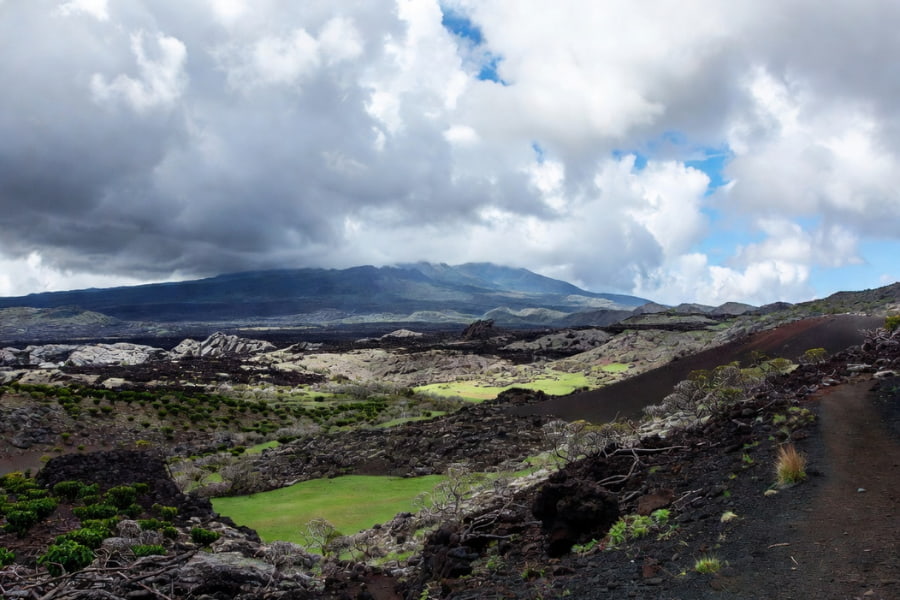
After sugar plantations shut down in the 1990s, former plantation workers began planting coffee across Ka‘ū. What emerged was not an industrial system, but a network of family-run farms built around long-term land stewardship.
Navarro Coffee grew inside this environment. Delvin Navarro is a third-generation coffee farmer, and his wife Shawnette’s grandfather was among the first sugar workers to grow coffee in the area. That continuity matters. It shaped how the farm approaches quality, risk, and growth from the beginning.
Why Ka‘ū Coffee Is Gaining Global Recognition
Ka‘ū coffee is increasingly recognized for balance and depth rather than intensity. High elevation, volcanic soil, and wide temperature swings slow cherry development and allow sugars and acids to mature gradually.
These conditions explain why Ka‘ū coffees are often described as smooth, floral, and chocolate-forward. But environment alone is not enough. Recognition follows farms that translate terroir into consistent results.
In 2023, Delvin Navarro earned second place at the Hawai‘i Coffee Association cupping competition for Ka‘ū coffees. The result was not treated as a breakthrough moment, but as confirmation of repeatable practices already in place.
Market validation followed a similar pattern. Ka‘ū coffee now appears in programs such as Starbucks Reserve and is sourced by specialty roasters worldwide. Navarro’s approach centers on direct collaboration with roasters, reinforcing transparency and shared expectations rather than short-term pricing gains.
Why Land Ownership Matters for Ka‘ū Coffee Farmers
Most Ka‘ū coffee farms sit on land once controlled by sugar plantations. For years, ownership changed hands, leaving farmers with limited control over long-term planning.
Today, land prices typically range from $12,000 to $21,000 per acre, depending on location and infrastructure. Some farmers, including the Navarros, have relied on USDA-backed financing to secure ownership. Others combine smaller purchases with leased parcels to manage risk.
Ownership changes how decisions are made. Farmers who control their land can invest in soil health, adjust crop strategies, and plan across generations. In Ka‘ū, land ownership is not symbolic. It directly supports farm resilience.
How Ka‘ū Farmers Work Together to Stay Competitive
Navarro Coffee remains intentionally small and family-operated. Expansion is measured, with quality control prioritized over output growth.
This approach is reinforced by community collaboration. Ka‘ū farmers regularly share knowledge on pest management, processing adjustments, and harvest timing. Cooperation offsets the limitations of operating in a remote region.
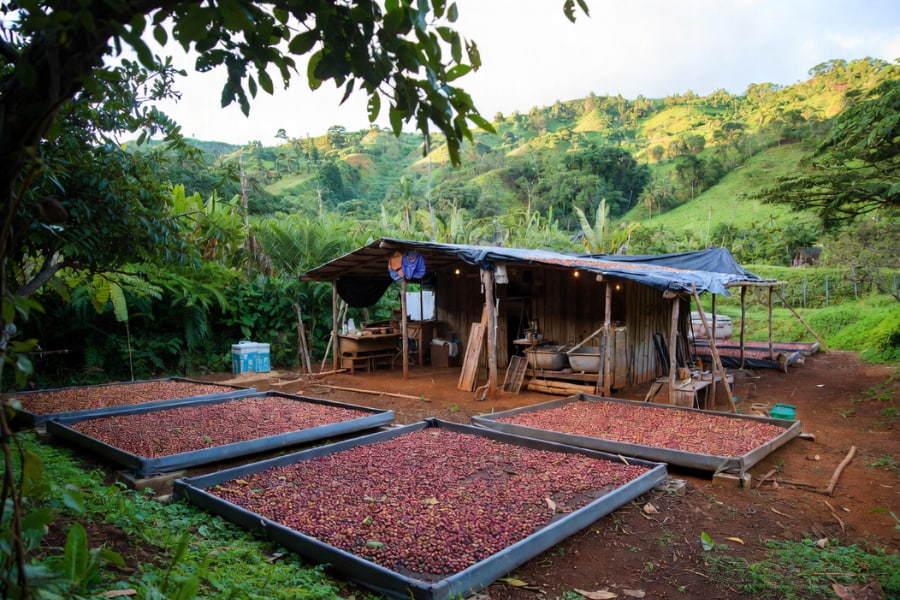
Industry groups also play a role. Organizations such as the Hawai‘i Coffee Association support research, competitions, and regional visibility. Events like the Ka‘ū Coffee Festival each May connect farmers, roasters, and consumers through tastings, farm visits, and cultural programming.
How Ka‘ū Farms Approach Sustainability in Practice
Sustainability in Ka‘ū is operational rather than symbolic. Many farms use shade-grown systems, erosion controls, and water management strategies to protect volcanic soil and surrounding ecosystems.
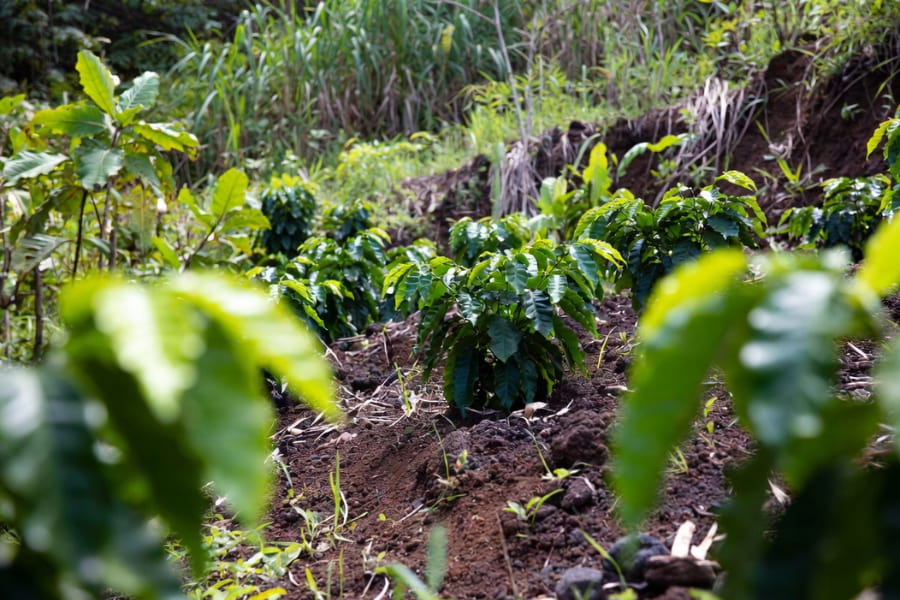
Biological threats remain a concern. Coffee berry borer and leaf rust continue to challenge Hawai‘i producers. Ka‘ū farmers are introducing resistant plant varieties from regions such as Puerto Rico and Costa Rica while testing environmentally responsible treatments.
Labor practices are part of this equation. Navarro farms draw lessons from Costa Rican models that prioritize fair wages, housing, food access, and clean water for harvest workers. These investments support both coffee quality and long-term labor stability.
What the Future Looks Like for Ka‘ū Coffee
Hawai‘i coffee prices have risen steadily, improving farm-level economics and reinvestment capacity. Higher prices help offset increasing land and labor costs, but they also raise expectations.
Consumers are paying closer attention to origin, production methods, and farmer transparency. Navarro responds by making production choices visible and traceable rather than relying on brand narratives alone.
Ka‘ū coffee continues to build its own identity beyond Kona. Challenges remain, including farmer aging, disease pressure, and land affordability. Long-term success will depend on policy support, research access, and partnerships that prioritize durability over scale.
This is where companies like GAIA operate within the ecosystem. As a flexible packaging manufacturer working closely with coffee brands, GAIA supports farms and roasters translating quality and sustainability into packaging decisions that preserve product integrity without overclaiming environmental benefits.
FAQ: Navarro Coffee and Ka‘ū Coffee
Is Ka‘ū coffee better than Kona coffee?
Ka‘ū and Kona coffees reflect different growing environments. Ka‘ū coffees often show floral and chocolate notes from higher elevations and cooler climates, while Kona coffees lean nuttier with brighter acidity. Preference depends on flavor style, not superiority.
Why is Navarro Coffee often mentioned when discussing Ka‘ū’s success?
Navarro Coffee reflects how the Ka‘ū model works at its best. Stable land access, consistent farm practices, and long-term relationships allow quality to scale without losing control or traceability.
How are Ka‘ū farmers addressing coffee leaf rust and berry borer?
Ka‘ū farmers use resistant plant varieties, close field monitoring, environmentally responsible treatments, and collaboration with research institutions to manage leaf rust and coffee berry borer sustainably.
What should consumers look for when buying Ka‘ū coffee?
Consumers should look for verified Ka‘ū origin, transparent sourcing, and clear processing details. Buying from farms or roasters with direct relationships helps support long-term farm stability and quality consistency.
What is the long-term vision behind Navarro Coffee?
Navarro Coffee aims to maintain high quality through sustainable farming, support the surrounding community, and show that the Ka‘ū model can remain viable across generations without overexpansion.


