What Restaurants, Ecommerce, and Food Brands Need to Know
New York is one of the most competitive food markets in the U.S. Restaurants, food brands, and ecommerce businesses operate under high delivery volumes, strict regulations, and demanding customer expectations.
Food packaging is not just about protection. It shapes the first impression of your brand, preserves food safety, improves delivery efficiency, and strengthens customer loyalty.
Custom packaging helps New York businesses stand out in a crowded market by combining functionality, branding, and sustainability. Choosing the right packaging can directly influence customer satisfaction and repeat business.
Common Custom Food Packaging Options in New York
Flexible Packaging for Snacks, Coffee, and Sauces
Flexible packaging offers lightweight, protective, and versatile solutions for many food products.
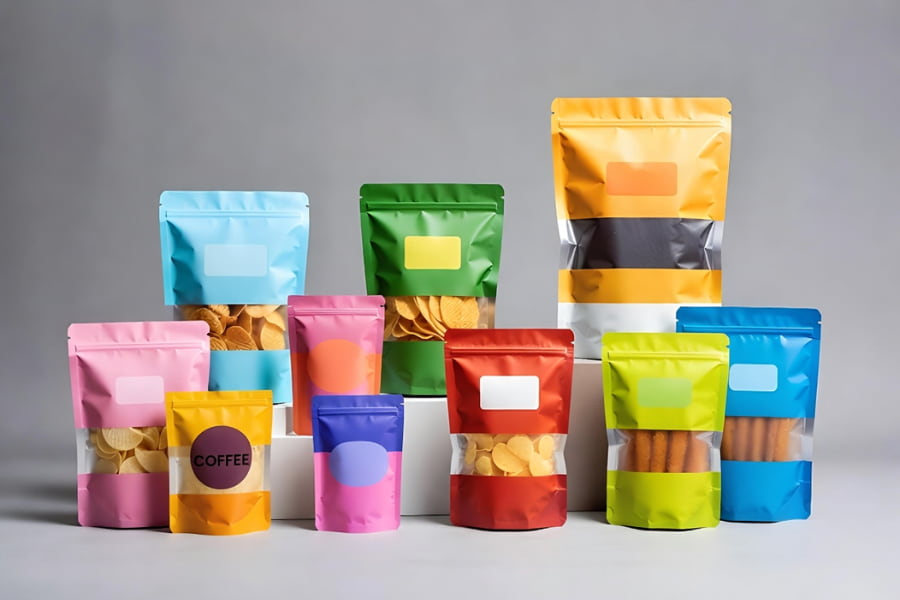
Typical Uses:
Chips, candy, nuts, granola
Coffee and tea
Sauces, jams, liquid mixes
Printing Options:
| Method | MOQ | Lead Time | Best For |
| Digital Printing | 2,000 pcs | 5–7 weeks | Small runs, frequent design changes |
| Rotogravure Printing | 10,000–30,000 pcs | 9–11 weeks | Large runs, high color saturation |
Spouted Pouches: Ideal for cold brew coffee, jams, sauces, or salad dressings. These prevent spills and improve pouring control.
Note: Digital printing is flexible but slightly higher per-unit cost. Rotogravure has lower unit costs for large volumes but requires more setup.
Custom Boxes for Bakery, Takeout, and Retail
Boxes provide structure, insulation, and shelf presence.
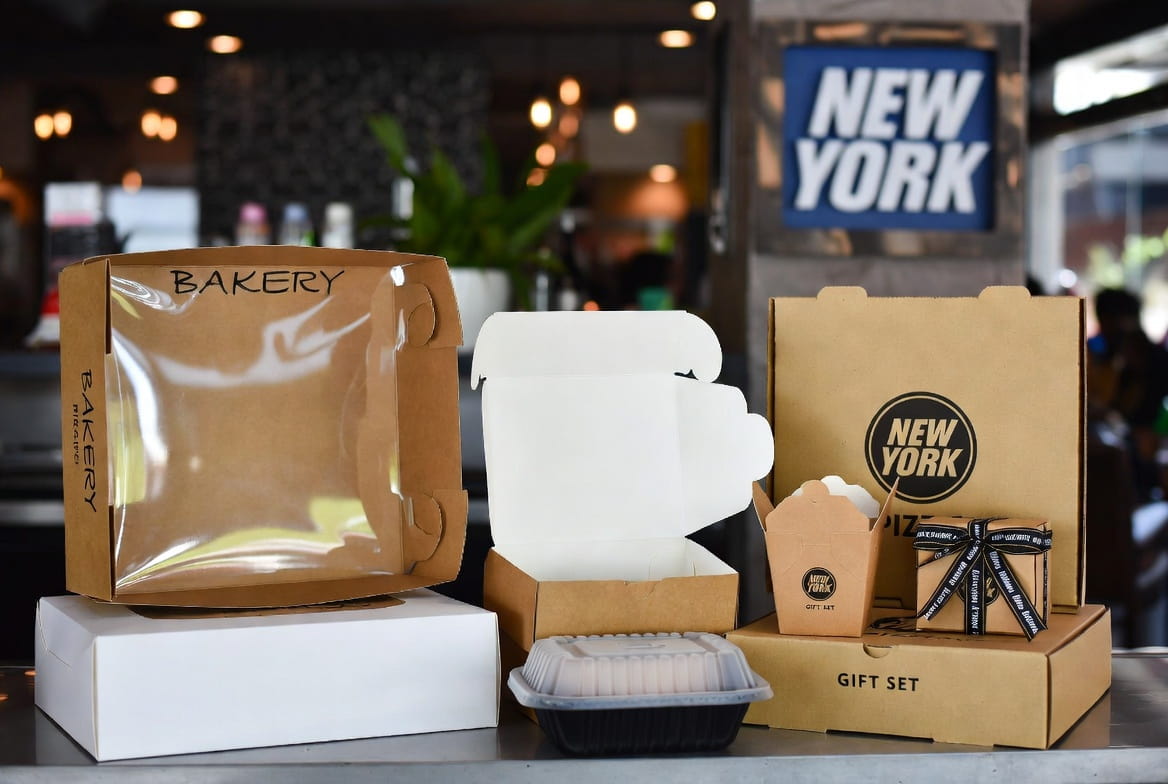
Applications:
Bakery items, desserts, and pastries
Pizza, burgers, sandwiches, and frozen meals
Gift sets and subscription boxes
Materials: Corrugated board, kraft paper, food-grade coated paper
Benefits: Spill resistance, temperature control, branding opportunity
Typical Orders: 1,000 pcs minimum, lead time 9–11 weeks
Tip: For NYC delivery and retail, reinforced edges and custom inserts help prevent product damage and elevate brand perception.
Sustainable and Eco-Friendly Packaging Options
Sustainability is increasingly critical for NYC consumers and businesses. Brands adopting eco-friendly materials often gain competitive recognition.
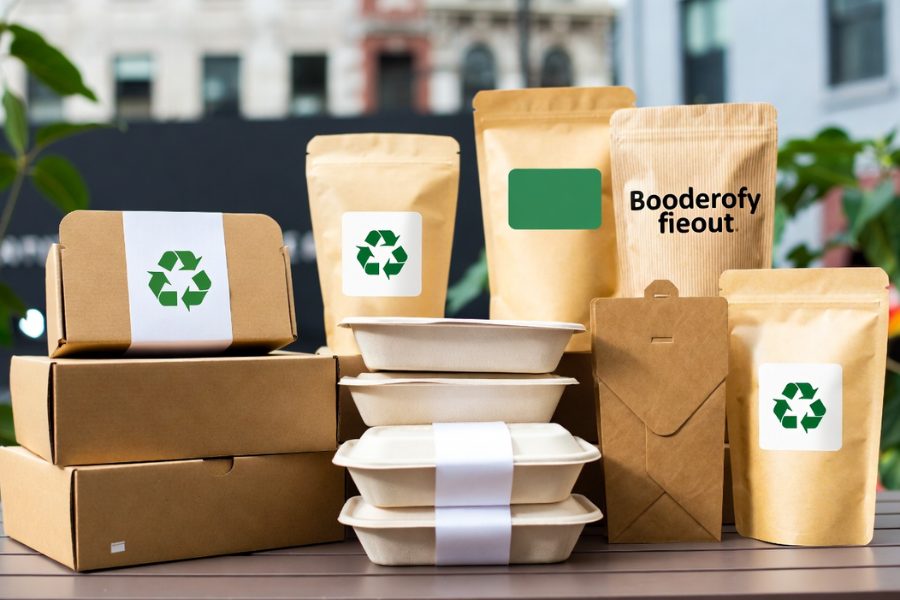
Common Materials:
Trends and NYC Context:
Lightweight designs reduce material use and lower shipping costs
Many restaurants use compostable containers for delivery and takeout
Clear recycling instructions and visible certifications improve customer trust
Certifications to Check: FSC, BPI, ASTM D6400, SFI
GAIA supports sustainable packaging designs, ensuring compliance with NYC regulations while maintaining durability and food safety.
Functional Packaging for Delivery and Specialty Foods
Some products require packaging focused on performance:
Insulated boxes for hot or frozen items
Leak-proof containers for soups, sauces, and beverages
Multi-layer bakery boxes and coffee cup carriers
Functional packaging ensures food reaches customers in optimal condition while aligning with brand identity.
How Custom Packaging Is Designed and Customized
Customization allows your packaging to reflect your brand and product needs.
Key Options:
Printing: Digital (small batch, multi-design) vs Rotogravure (large batch, high color fidelity)
Design Elements: Logo, colors, patterns, text, QR codes
Structure: Size, shape, windows, handles, closure systems
Materials & Finishes: Matte/gloss coating, embossing, foil accents
Pro Tip: Test structural and visual elements before bulk orders to ensure functionality and brand impact.
Bulk Packaging Strategies for Ecommerce and Food Brands
Ordering in bulk can save 20–40% on per-unit costs while ensuring consistent supply.
Inventory & Ordering Tips:
Use digital inventory management to track usage
Implement Just-In-Time (JIT) deliveries to save storage space
Maintain safety stock to handle NYC supply chain fluctuations
Supplier Choices:
Example: Many NYC food startups reduce costs by combining bulk orders of flexible packaging and boxes, optimizing both storage and shipping efficiency.
Packaging Needs by Food Business Model
Restaurants & Delivery:
Ecommerce & Delivery:
Gift & Subscription Boxes:
Customization should match both product requirements and customer expectations in NYC’s urban delivery environment.
FAQs: Common Questions About Custom Food Packaging in New York
What is the typical MOQ for custom food packaging in New York?
Digital printed flexible packaging usually starts at 2,000 units, custom boxes at 1,000, and rotogravure printing generally requires 10,000 or more units.
How long does it take to produce custom packaging?
Digital printing typically takes 5–7 weeks, while rotogravure printing and custom boxes usually require 9–11 weeks depending on design and materials.
Are eco-friendly packaging options more expensive?
Not necessarily. Bulk orders of sustainable materials can be cost-competitive, and lightweight designs may also lower shipping costs over time.
Can I get samples before placing a bulk order?
Yes. Most suppliers offer sample kits or small trial runs to test fit, durability, and overall design before committing to large orders.
How do I choose between flexible packaging and rigid boxes?
Flexible packaging works well for snacks, coffee, and sauces. Rigid boxes are better for bakery items, gifts, or products needing structure or insulation.
What certifications matter for sustainable packaging?
Look for FSC, SFI, BPI, and ASTM D6400 certifications depending on the material and disposal method to ensure eco-friendly compliance.
How can I reduce packaging costs without lowering quality?
Optimize costs by standardizing sizes, ordering in bulk, improving structure, using lightweight materials, and maintaining long-term supplier relationships.
Choosing the Right Packaging Approach for Long-Term Growth
Custom food packaging directly affects brand perception and customer experience. For NYC businesses, packaging decisions should reflect product type, delivery requirements, and brand positioning.
Partnering with experienced packaging providers, like GAIA, helps ensure your materials, structure, and production schedule align with real-world needs. Continuous testing, improvement, and attention to sustainability trends allow New York brands to remain competitive and efficient.


