Why Peru's Organic Coffee Matters for the World
Peru's organic coffee production is rapidly becoming a global model for combining environmental stewardship with agricultural success. It offers a valuable blueprint for sustainable farming practices that can address both the growing demand for high-quality coffee and the imperative to preserve ecosystems. By examining Peru's approach, the world can learn how organic coffee farming benefits not only the environment but also the livelihoods of farmers and communities.
A Model of Sustainability
Peru's commitment to organic coffee production represents a perfect balance between maintaining ecological integrity and thriving economically. As a leader in sustainable farming, Peru provides insight into the long-term environmental and agricultural benefits of going organic, offering valuable lessons for the global coffee industry.
The Unique Benefits of Peru's Organic Coffee
What Makes Peru's Coffee Growing Conditions Special?
Peru’s location in the heart of the coffee belt, combined with its diverse geography, makes it an ideal region for growing organic coffee. The country’s terrain includes tropical rainforests, the Andes mountains, and everything in between, creating varied microclimates. This diversity provides optimal conditions for producing coffee with a wide range of flavors, making Peru’s coffee truly unique.
Microclimate Advantage
The variety of microclimates across Peru provides a rich foundation for coffee cultivation. These localized climates, often found in pockets nestled between mountains, create ideal conditions for producing coffee with distinct flavor profiles, ranging from chocolatey to fruity notes. Growing coffee at elevations of 1,000 to 1,800 meters significantly contributes to the coffee’s exceptional quality.
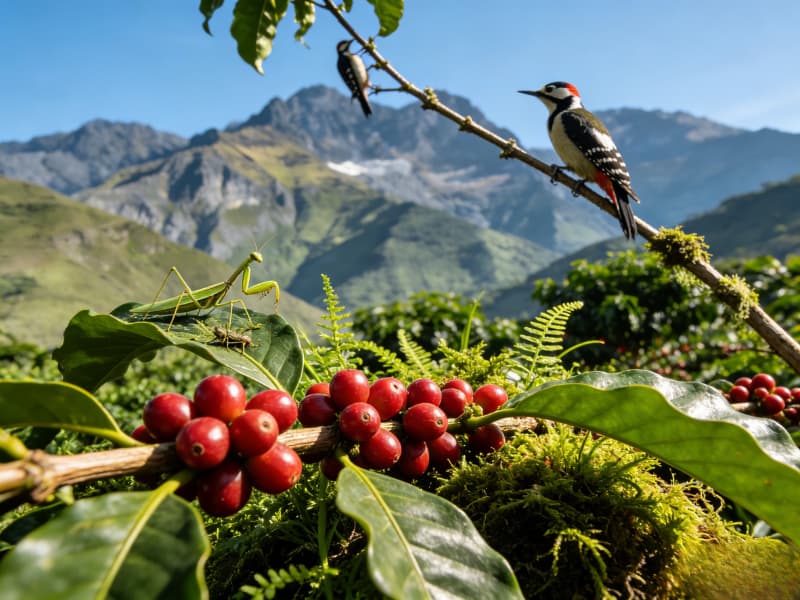
How Biodiversity Boosts Coffee Quality
Organic coffee farms in Peru not only grow premium coffee but also serve as vital habitats for wildlife. By employing shade-grown farming techniques, these farms help preserve native trees and enhance biodiversity. This focus on biodiversity ensures that coffee plants thrive in a natural, balanced ecosystem.
Natural Pollination and Soil Health
The presence of diverse insect species contributes to natural pollination, boosting the health and yield of coffee plants. Additionally, the use of organic farming practices promotes healthy soil ecosystems, which enhance nutrient cycling and soil fertility.
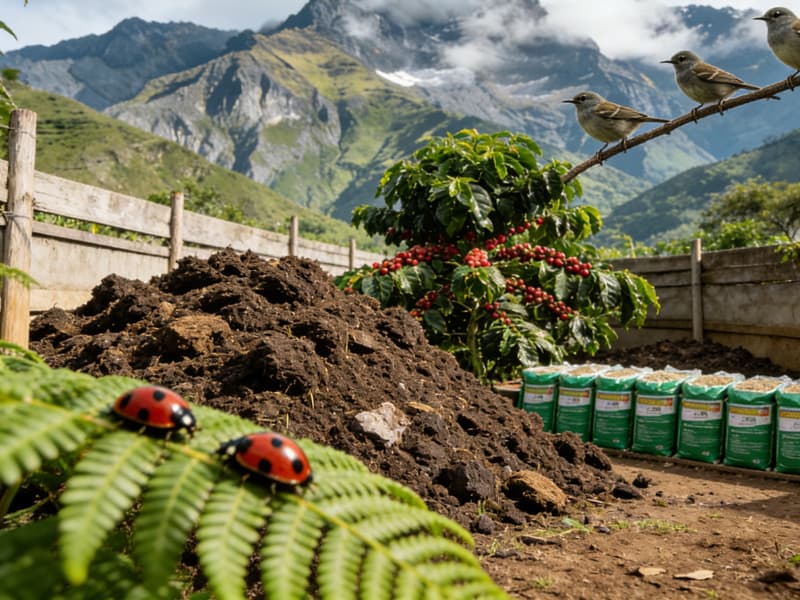
Environmental Impact of Organic Coffee Farming in Peru
How Organic Farming Protects Soil Health
Peruvian organic coffee farmers rely on natural fertilizers such as compost, green manure, and animal manure. These practices improve soil structure, prevent erosion, and increase the soil’s ability to retain water.
Long-Term Soil Fertility
By avoiding synthetic chemicals, organic coffee farming prevents the degradation of soil quality. Over time, this approach ensures that the land remains fertile and productive, benefiting future generations of farmers.
Water Conservation: Why Organic Coffee is Better for Rivers and Lakes
Peru's organic coffee farms protect water sources by eliminating the use of harmful chemicals. This leads to cleaner rivers and groundwater, safeguarding aquatic ecosystems while also conserving water through efficient irrigation practices.
Reducing Chemical Runoff
By using natural farming methods, organic coffee reduces the contamination of nearby water sources with toxic chemicals, making it a more environmentally friendly choice for both farmers and communities.
How Organic Farms Preserve Local Wildlife
Organic coffee farms provide critical habitats for local wildlife, including birds and insects. The promotion of biodiversity not only protects ecosystems but also contributes to healthier, more resilient coffee crops that can better withstand diseases and pests.
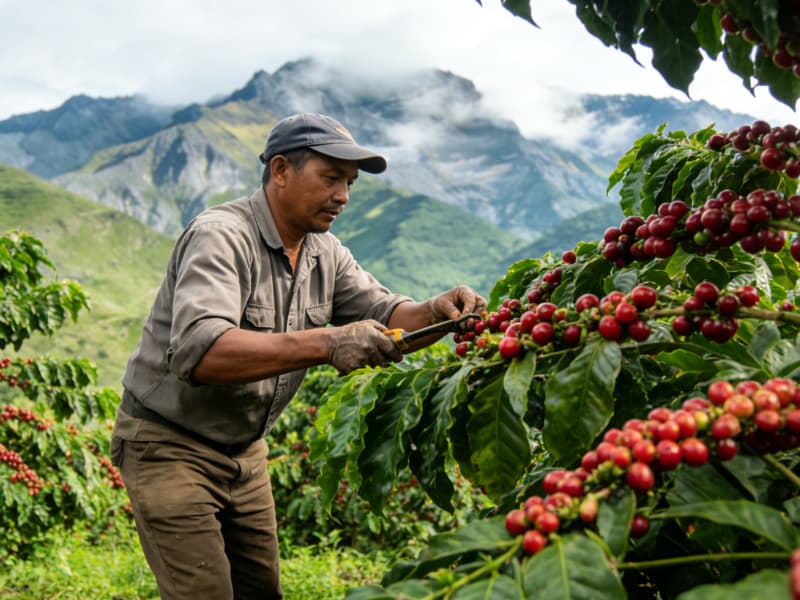
Organic Coffee Farming Practices That Make a Difference
How Do Organic Fertilizers and Soil Management Work?
Peruvian organic coffee farmers rely on natural fertilizers like compost and green manure. These organic materials help maintain soil moisture, increase soil health, and reduce the need for irrigation, aligning with sustainability goals.
Crop Rotation and Mulching
Using organic mulch and rotating crops helps to maintain soil health and reduce pests. These techniques encourage soil enrichment, making it easier for farmers to maintain a sustainable, productive farm.
Tackling Pests Without Chemicals: Natural Solutions
Instead of relying on chemical pesticides, Peru’s organic coffee farmers use natural methods to keep pests at bay, ensuring healthier plants and a safer environment.
Integrated Pest Management (IPM)
Peru’s organic coffee farms often implement IPM strategies, which combine biological control, physical barriers, and crop rotation to manage pests and diseases effectively.
Water Management in Organic Coffee Farms: Best Practices
Efficient water management is crucial for organic farming in Peru. Some farms utilize rainwater harvesting systems to reduce dependency on external water sources, while others employ drip irrigation to maximize water efficiency.
Challenges Facing Peru’s Organic Coffee Farmers
What Are the Major Challenges in Organic Coffee Production?
While organic coffee farming offers substantial environmental benefits, it also comes with higher costs, lower yields, and challenges like coffee rust and climate change.
High Production Costs
Organic farming is labor-intensive and often yields lower production volumes. This results in higher costs for farmers, who may struggle to maintain profitability, especially during the conversion period to organic methods.
Overcoming Market and Certification Hurdles
Organic certification, which ensures that coffee is grown without harmful chemicals, can be expensive and time-consuming. Additionally, small-scale farmers often face difficulty accessing premium markets for organic products.
Price Volatility
The international coffee market is subject to price fluctuations, which can directly impact the income of organic coffee farmers. Stable pricing and improved market access are essential for the long-term sustainability of Peru's organic coffee industry.
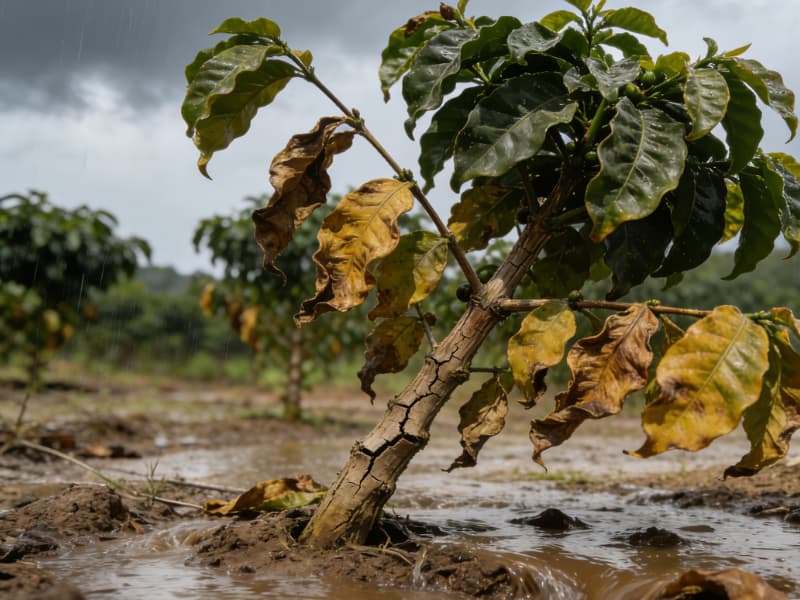
Path Forward: Supporting Peru’s Organic Coffee Growth
How Can Farmers and Cooperatives Thrive in the Future?
To overcome these challenges, there is a need for increased financial and technical support for farmers transitioning to organic coffee farming. By providing farmers with the resources they need, Peru can continue to lead the way in sustainable coffee production.
Training and Education
Investing in education and training programs will equip farmers with the knowledge and skills necessary to implement organic practices successfully. These programs will also help farmers learn how to manage pests and diseases without relying on harmful chemicals.
Expanding the Market for Organic Coffee
Increasing access to markets that value organic coffee and provide fair prices is crucial. Expanding global demand for organic coffee can provide farmers with the financial incentive to continue growing sustainable crops.
Certification and Infrastructure Support
The government and industry stakeholders should simplify the organic certification process to reduce the financial burden on small farmers. Additionally, investing in infrastructure such as roads and coffee processing facilities will help improve the efficiency and profitability of organic coffee production.
The Role of Consumers in Shaping the Future
How Can Your Coffee Choices Make a Difference?
Consumers play a pivotal role in driving the demand for organic coffee. By choosing organic coffee, consumers send a clear market signal that supports sustainable farming practices and helps create better livelihoods for farmers.
Sustainable Consumption Practices
By supporting organic coffee, consumers contribute to the preservation of the environment and the health of coffee-growing communities. Supporting Fair Trade and local coffee producers can further amplify the positive impact of sustainable coffee consumption.
GAIA is committed to supporting sustainable practices across industries. Just as we champion sustainable packaging solutions, we also support the movement toward sustainable agriculture, such as Peru’s organic coffee farming. To learn more about our efforts to help make your packaging more sustainable, visit GAIA.
FAQ
1. What is special about Peruvian coffee?
Peruvian coffee is known for its unique flavors, which vary by region due to diverse microclimates. These coffees are often chocolatey, nutty, and fruity, with high acidity and rich body, making them sought after in specialty coffee markets worldwide.
2. What are the environmental impacts of coffee production?
Coffee production can have significant environmental impacts, including deforestation, soil degradation, and water contamination from pesticides and fertilizers. However, sustainable farming practices like organic methods can help mitigate these effects by promoting biodiversity, soil health, and water conservation.
3. What is organic coffee?
Organic coffee is grown without synthetic fertilizers, pesticides, herbicides, or insecticides. It emphasizes ecological balance, biodiversity preservation, and maintaining healthy soil, providing a more sustainable and environmentally friendly alternative to conventional coffee farming.
4. What are the requirements for organic coffee certification?
For coffee to be certified organic, it must be grown without prohibited chemicals for at least three years. Farmers must implement sustainable practices, maintain farm management records, undergo regular inspections, and ensure contamination-free processing and storage.
5. Why is organic coffee more expensive?
Organic coffee tends to be more expensive due to higher labor costs, the need for organic certification, and lower yields. The absence of synthetic chemicals also requires more intensive care and management, adding to production and transport costs.
6. How does organic coffee benefit the environment?
Organic coffee farming helps protect soil health, prevent water contamination, and support biodiversity. By avoiding synthetic chemicals, it promotes sustainable land use and reduces the environmental footprint of coffee production.
7. What are the challenges of organic coffee farming in Peru?
Organic coffee farming in Peru faces challenges like higher production costs, limited access to markets, and the complexity of obtaining organic certification. Climate change also impacts production, with changing weather patterns and pests threatening crops.
8. How can consumers help support organic coffee?
Consumers can support organic coffee by choosing it over conventional options. This decision helps promote sustainable farming practices, ensures fair wages for farmers, and contributes to environmental protection through reduced chemical use.


