Seal Performance in Everyday Packaging Use
A seal is the part of a pouch that keeps everything inside protected. As the package goes through storage, shipping, or simple handling, the sealed edge can slowly shift or relax. This change happens bit by bit as the material meets heat, weight, and movement. Even small shifts can influence freshness or how steady the pouch feels.
GAIA works with many materials—from kraft to high-barrier films—and each reacts differently, so seal behavior becomes an important part of choosing the right structure.
Pressures That Nudge a Seal Out of Shape
A seal doesn’t change for no reason. Several everyday forces gently push it in different directions, creating small adjustments over time.
Weight and stacking
Boxes bump, shift, and stack on top of one another. That pressure presses on the seal and may stretch it slightly.
Warm environments
Heat softens the bonded layers. When this happens, the seal can give a little more under pressure.
Material flexibility
Some films move easily. Others stay firm. Flexible films may show more seal movement, while rigid ones may reveal tiny distortions instead.
These influences often work together, and that’s what slowly reshapes the sealed area.
Small Signs That a Seal Has Started to Change
These changes aren’t dramatic. They usually show up as small details that packaging teams learn to spot quickly.
A shift in texture
A seal that started smooth may look a bit rippled or lightly stretched.
Slight unevenness
One side may pull tighter than the other, giving the seal a subtle tilt.
Softer feel
The seal may feel more flexible than before, especially after time in a warm warehouse.
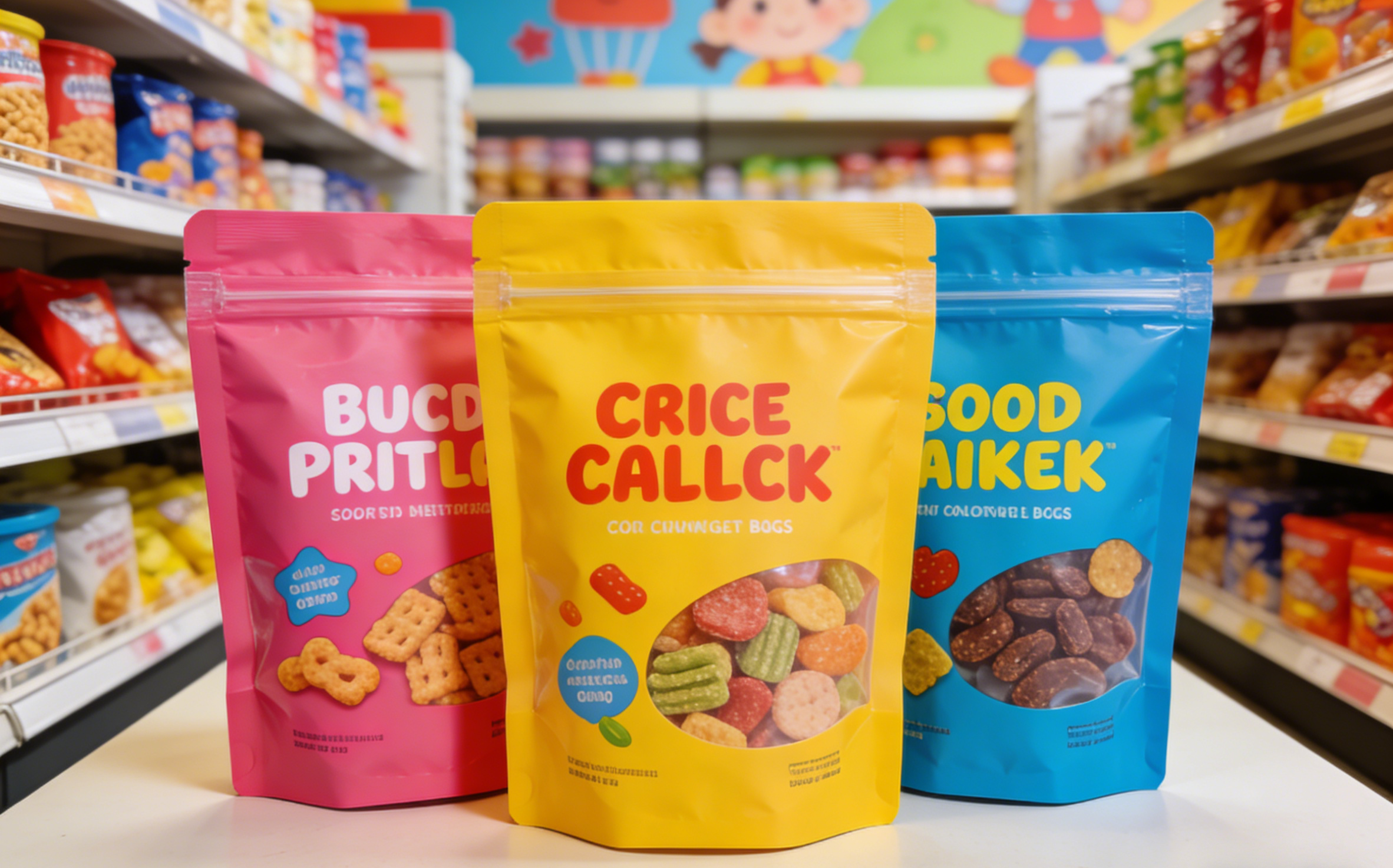
For products like coffee, snacks, or jerky, these small visual cues can have an impact on shelf appeal. GAIA often helps brands explore films that keep the seal looking clean and steady.
Choices That Help the Seal Stay Steady
Teams make a few key decisions that influence how well the seal holds up over time.
Picking a film that handles heat consistently
Using sealing pressure that forms an even bond
Pairing laminates with similar thermal behavior so they move together
These choices help reinforce the sealed edge and reduce the chance of long-term deformation. GAIA offers many film combinations, which helps teams find the right match for their production needs.
How Teams Get a Real Sense of Seal Strength
Seeing how a seal behaves in practice gives teams the clearest picture. Most evaluations look something like this:
Apply light pressure to mimic stacking or squeezing.
Warm the pouch to see if the seal softens too quickly.
Fill the pouch to check how internal weight affects the sealed edge.
Try several film types to compare how each one holds shape.
Record settings and results so future runs stay consistent.
These simple checks help brands avoid surprises once the product is in the market.
FAQ
How to tell if a seal is bad
A seal might be failing if it looks thin, soft, uneven, or pulls apart with gentle pressure.
What is seal degradation
It’s the slow weakening of a sealed area as heat, pressure, or handling gradually changes the bond.


