Why Coffee Tasting Kits Are Changing How We Experience Decaf
Decaf Is No Longer Second Choice
For years, decaf coffee was defined by what it lacked. Less caffeine. Less flavor. Less attention.
That definition no longer holds.
Today, decaf is undergoing a quiet but meaningful shift. Improvements in decaffeination methods and more intentional roasting have pushed decaf into the specialty coffee conversation. Flavor clarity, origin character, and balance are no longer exclusive to caffeinated beans.
Decaf is no longer about what’s removed. It’s about what’s preserved.
That idea sits at the center of the decaf revolution.
Decaf coffee tasting kits make this shift tangible. By curating high-quality decaf coffees from different roasters and regions, they allow drinkers to experience how much flavor remains when caffeine is no longer the focal point ☕️
This change matters to a growing audience. It includes caffeine-sensitive drinkers, health-conscious consumers, late-night coffee lovers, and both newcomers and longtime specialty coffee fans.
What Exactly Is a Decaf Coffee Tasting Kit
A decaf coffee tasting kit is a curated set of small-batch decaf coffee samples. Most kits feature coffees from three to five specialty roasters, selected to highlight variation rather than volume.
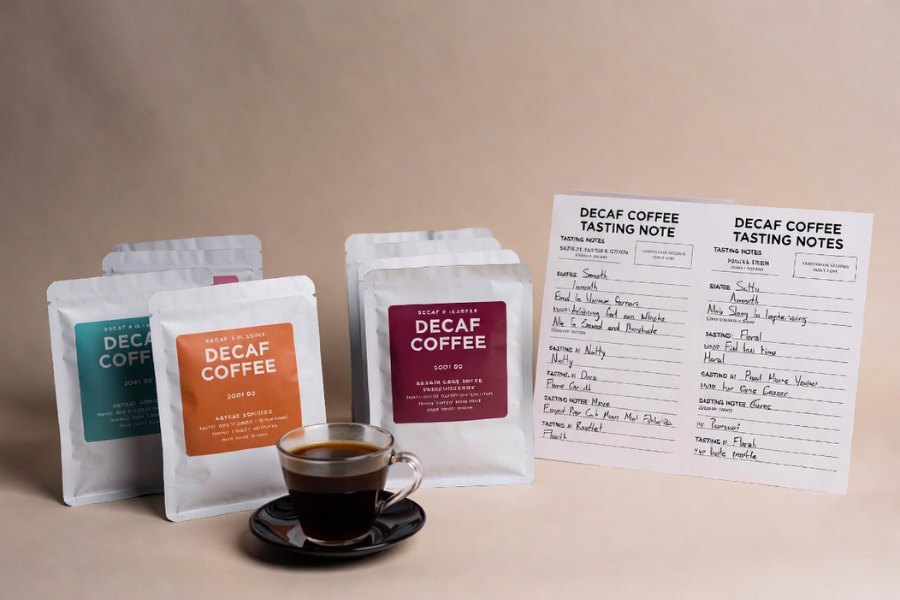
The purpose is not convenience. It is comparison.
Why Tasting Kits Matter
They offer a global coffee experience without travel
They help drinkers compare origins, roast styles, and processing methods
They shift attention from caffeine impact to flavor structure
In this context, decaf becomes something to evaluate, not avoid.
What You’ll Typically Find Inside
30 to 50 grams of each coffee sample
Roaster background cards and origin notes
Flavor references and tasting sheets
Brewing guidance for pour-over, French press, or espresso
Because sample sizes are small, freshness and protection matter. Brands increasingly rely on flexible packaging that balances oxygen barriers, portion accuracy, and material efficiency. This is where packaging design quietly supports the tasting experience without drawing attention to itself.
Companies like GAIA, which specialize in custom flexible packaging for coffee and sampling formats, often work behind the scenes to ensure that what reaches the cup reflects the roaster’s intent rather than packaging limitations.
Why More Coffee Drinkers Are Choosing Decaf
Decaf is often chosen for practical reasons. What surprises many people is how little they give up in return.
Health and Daily Balance
Most decaf coffees contain about 5 to 7 milligrams of caffeine per cup. That level is low enough to reduce common side effects like anxiety, heart palpitations, and sleep disruption.
Decaf also retains many of the antioxidants found in regular coffee. These compounds are linked to heart health, reduced inflammation, and long-term cellular protection.
For many drinkers, decaf feels gentler on digestion. Lower acidity and reduced diuretic effects can improve daily comfort and hydration.
Flavor Has Moved Forward
Modern decaffeination methods now preserve more than 95 percent of flavor compounds. Chocolate, nut, and fruit notes show up clearly when beans are sourced and processed with care.
This is why decaf works well in the afternoon or evening. The experience stays intact without pushing the nervous system.
Again, the shift is clear. Decaf is no longer about what’s removed. It’s about what’s preserved.
Who Decaf Fits Best
People sensitive to caffeine
Pregnant or nursing individuals
Those managing anxiety or blood pressure
Anyone extending coffee into later hours
New drinkers looking for a softer entry point
Decaf now fits into more routines without compromise.
How Decaf Is Made and Why the Process Matters
Caffeine removal always affects flavor. The difference today is how controlled that impact has become.
Swiss Water Process Explained Simply
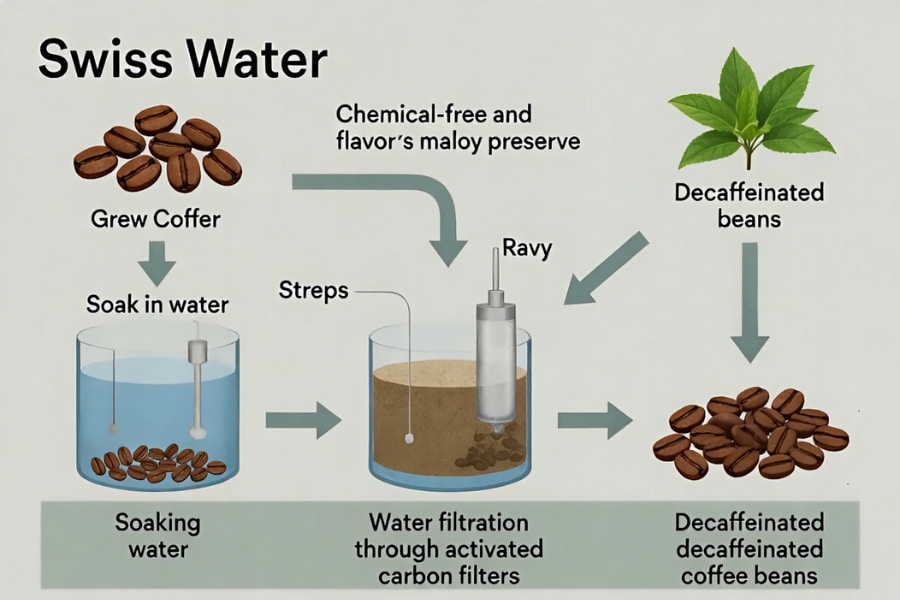
The Swiss Water Process uses only water and activated carbon filters. No chemical solvents are involved.
Its key advantages include:
Coffees processed this way often taste cleaner and more transparent. Look for “Swiss Water Decaf” labeling or certification on packaging.
Other Decaf Methods You’ll See on Labels
Methylene chloride method
Highly efficient, but debated due to chemical residue concerns
Ethyl acetate method
Uses a naturally derived solvent and retains flavor reasonably well
Carbon dioxide method
Common at commercial scale, with moderate flavor clarity
Buying guidance: Swiss Water and mountain water processes remain the most consistent options for balancing safety and taste.
For roasters and brands, these methods also introduce new demands on packaging consistency, barrier performance, and portion accuracy, especially when decaf is offered as part of a tasting or sampling program.
How to Start Exploring Decaf for Yourself
Getting involved does not require expertise. It starts with attention.
Begin With a Tasting Kit
Choose a curated decaf tasting kit from a trusted source
Brew using the provided guidance
Taste without focusing on caffeine expectations
Share and Compare
Join virtual or in-person tastings
Exchange notes using community tags like #DecafRevolution
Learn how others describe the same cup
Explore Further
Compare origins, roast levels, and processes
Attend roaster-led tastings or workshops
Revisit the same coffee with different brew methods
Decaf responds to care the same way any specialty coffee does.
Frequently Asked Questions
Is decaf coffee completely caffeine-free?
No. Decaf coffee is not 100 percent caffeine-free. Most decaf contains about 2 to 5 percent of the original caffeine content, usually around 5 to 7 milligrams per cup. This level is generally too low to cause noticeable stimulation for most people.
Does decaf coffee taste worse than regular coffee?
Not anymore. Advances in decaffeination methods and roasting have significantly improved flavor quality. Many specialty decaf coffees now show balanced acidity, sweetness, and complexity, including chocolate, nut, and fruit notes. In blind tastings, some decaf coffees perform comparably to caffeinated options.
Which decaf method tastes best?
The Swiss Water Process is widely considered the best for flavor preservation. It removes caffeine using only water and carbon filtration, without chemical solvents. This method tends to retain more original flavor compounds, resulting in cleaner taste, lower acidity, and better overall balance compared to traditional solvent-based methods.
Is the Swiss Water Process safe?
Yes. The Swiss Water Process is regarded as one of the safest decaffeination methods available. It uses only water and activated carbon filters, with no chemical solvents involved. This eliminates chemical residue concerns and aligns well with health, environmental, and quality-focused coffee standards.
Who should consider drinking decaf coffee?
Decaf coffee is suitable for caffeine-sensitive individuals, pregnant or nursing people, those managing anxiety or sleep issues, and anyone who enjoys coffee later in the day. It is also a good option for new coffee drinkers who want to explore flavor without strong stimulant effects.
What is the downside of decaffeinated coffee?
The main downside is that decaf still contains trace amounts of caffeine and may show slightly reduced intensity compared to some caffeinated coffees. Flavor quality also depends heavily on processing and roasting. Poorly processed decaf can taste flat, which is why sourcing and method selection matter.
Can decaf be used for espresso or cold brew?
Yes. Many specialty roasters now develop decaf profiles specifically for espresso and cold brew. When roasted with these methods in mind, decaf can produce good body, sweetness, and crema, making it suitable for a wide range of brewing styles.
The Future of Decaf Starts With Tasting
Decaf coffee is no longer a fallback. It has become a deliberate choice that combines flavor exploration with long-term balance.
As technology improves and expectations rise, decaf is securing a permanent place in specialty coffee culture. Tasting kits play a key role by allowing people to verify quality rather than take it on faith.
Decaf is no longer about what’s removed. It’s about what’s preserved.
Once that shift is tasted, it is hard to ignore.
For brands and roasters, this evolution also reshapes how decaf is presented, protected, and shared. From portioned samples to freshness-focused materials, the details matter more than ever. Quietly, packaging partners like GAIA help ensure that decaf experiences arrive intact, consistent, and ready to be judged on flavor alone.


