Coffee packaging does far more than simply protect your product—it plays a crucial role in preserving its freshness, representing your brand, and influencing consumer behavior. In a competitive market, understanding the significance of packaging can elevate your coffee business and enhance customer loyalty. Here’s why coffee packaging is vital to your coffee business.
1. How Packaging Keeps Your Coffee Fresh and Protected
One of the most important roles of coffee packaging is to preserve the quality and freshness of your coffee beans. Coffee is highly sensitive to three key elements:
The right packaging, particularly bags with a degassing valve and high-seal materials, prevents these elements from affecting the coffee. These specially designed bags ensure that coffee retains its original flavor and freshness for a longer period, reducing the chances of oxidation and preventing unwanted odors from invading the coffee.
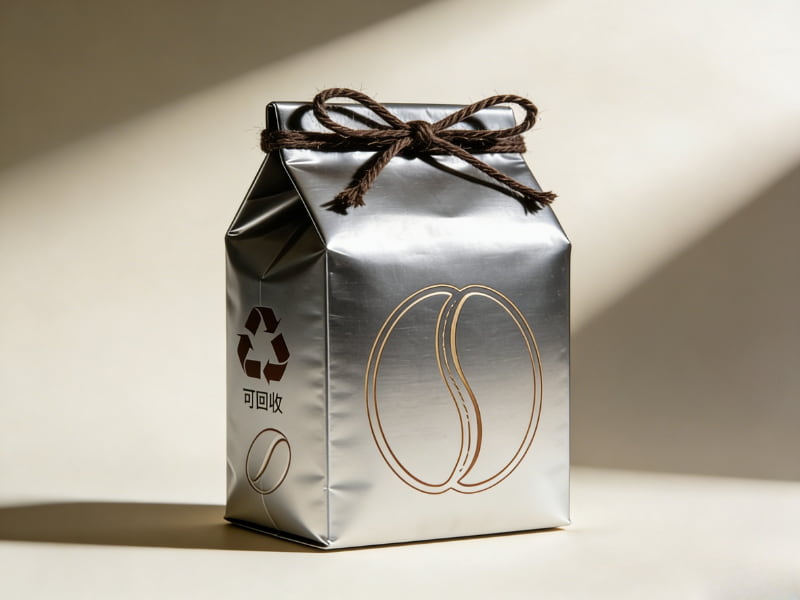
When selecting packaging materials, the type of material plays a significant role. Materials like aluminum foil and multi-layered composite materials provide excellent protection from air and moisture. On the other hand, PLA (Polylactic Acid), a biodegradable option, is becoming increasingly popular due to its environmental benefits. However, while PLA helps in reducing environmental impact, it may not provide as strong a barrier against moisture and light as aluminum. It's essential to balance sustainability with the packaging’s protective qualities to ensure your coffee stays fresh.
Many consumers are becoming more aware of packaging materials. Recyclable materials and compostable bags are especially important to eco-conscious buyers, as they align with the growing trend towards sustainability in coffee consumption.
2. Packaging as a Brand Messenger and Storytelling Vehicle
Coffee packaging is not just about protection; it is also a canvas for your brand. The first interaction your customers have with your coffee is through its packaging, making it a critical touchpoint in brand communication. Your coffee bags offer the perfect opportunity to:
Convey your brand’s personality and values through design elements like color, fonts, and patterns.
Tell your brand story, such as the coffee’s origin, roasting methods, and commitment to sustainability.
Custom packaging provides an effective way to enhance emotional connections with your customers. By incorporating your brand’s story and values into the design, you create an experience that goes beyond the product itself.
Consistency in design also strengthens brand recognition and helps build customer loyalty. The more your customers are exposed to a consistent visual identity, the more likely they are to remember your brand and come back for repeat purchases.
3. How Packaging Design Affects Consumer Perception
Packaging design goes far beyond visual appeal. It affects how consumers perceive the quality and flavor of the coffee itself. The psychology of color plays a significant role in shaping expectations about flavor:
Dark colors (brown, black) are often associated with rich, full-bodied coffee with deep roasted flavors.
Bright colors (yellow, orange) suggest a more vibrant, fruity, or acidic coffee experience.
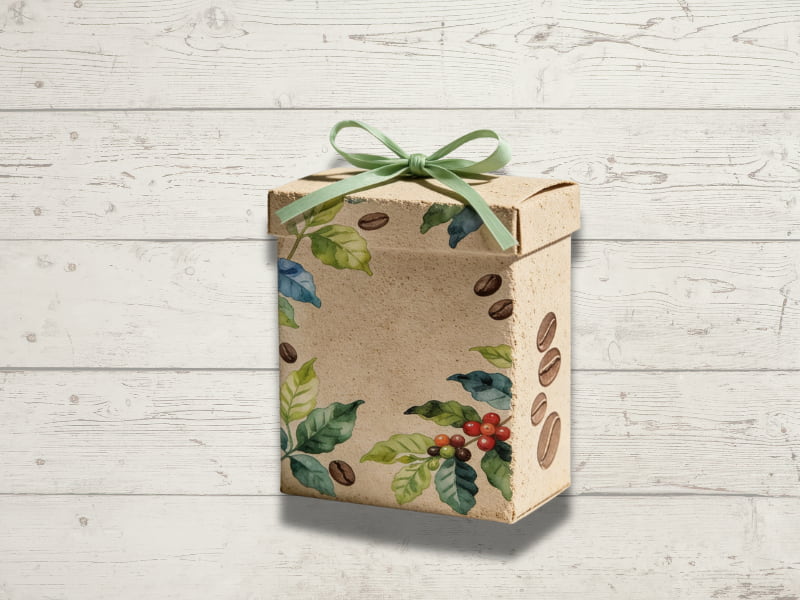
Light colors (beige, pale green) can evoke a soft, creamy, or eco-friendly impression, ideal for more delicate blends.
In addition to color, the material and texture of the packaging also influence perceptions. For instance, premium materials like matte finishes and textured surfaces can enhance the feeling of luxury and craftsmanship, making customers associate the coffee with a richer, more satisfying experience.
Packaging materials also impact how consumers perceive the coffee's sustainability. Eco-friendly materials, such as compostable bags or recycled paper for labels, are a growing trend in the coffee industry. Consumers increasingly associate environmentally conscious packaging with higher quality and better-tasting coffee, making it an essential factor in attracting eco-minded customers.
4. The Power of Certified Coffee Packaging
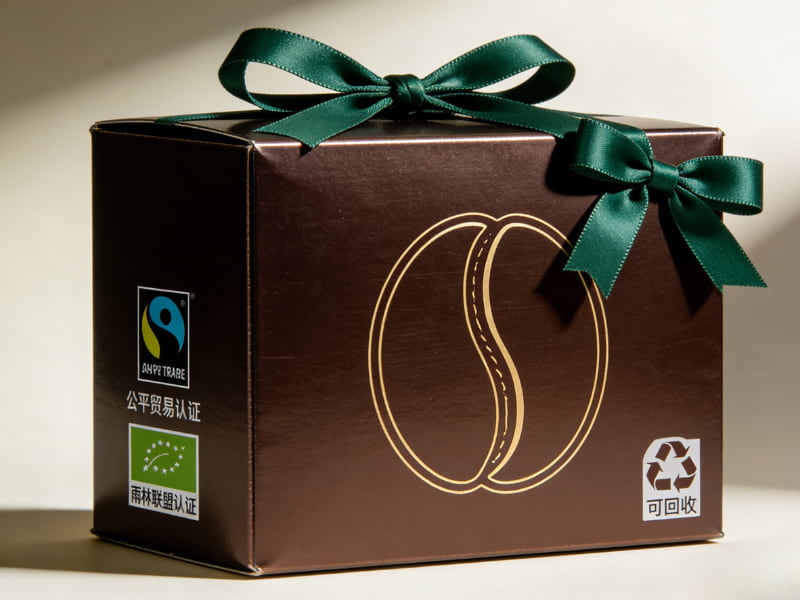
In today’s market, certifications are more than just badges—they are trust signals that can differentiate your product. Common certifications for coffee packaging include:
Fair Trade: Ensures ethical sourcing and fair wages for farmers.
Organic: Guarantees no use of synthetic pesticides or fertilizers.
Rainforest Alliance: Focuses on environmental sustainability and community welfare.
FSC: Certifies that packaging materials come from responsibly managed forests.
These certifications not only demonstrate your commitment to ethical practices but also help you appeal to environmentally conscious consumers. However, acquiring and maintaining these certifications can be challenging, especially for smaller businesses with limited budgets.
For small coffee roasters, starting with certifications like FSC and gradually progressing toward others like Fair Trade or Rainforest Alliance can be a feasible strategy. Over time, these certifications will help build a solid reputation and customer trust.
Market Trend: With the growing focus on sustainability, consumers are increasingly expecting brands to adopt certifications that align with their values. This trend is likely to continue as more consumers prioritize ethical sourcing and environmental responsibility in their purchasing decisions.
5. Enhancing the Customer Experience Through Packaging
Packaging plays an essential role in the overall customer experience, both online and offline. From the moment customers see your product on a shelf or receive it in the mail, packaging communicates your brand’s message. Consistency is key to maintaining a positive experience at every touchpoint.
Unboxing experience: Adding thoughtful touches such as custom seals or story cards can enhance the experience and encourage customers to share their experience on social media, increasing brand exposure.
Multi-channel marketing: Make sure your packaging aligns with your digital presence. Incorporating hashtags, QR codes, or social media prompts can create a seamless brand experience.
Additionally, clear labeling with brewing instructions, storage tips, and other helpful information not only aids the consumer but also reinforces your brand’s attention to detail.
6. FAQ
How does coffee packaging impact flavor and freshness?
Yes, packaging preserves freshness by protecting against air, moisture, and light. Additionally, packaging design (such as color and material) influences customer expectations and perceptions of flavor.
Should small coffee shops invest in premium packaging?
While "premium" isn't necessary, it's important to choose packaging that aligns with your brand and protects the coffee. Sustainable, certified packaging can be introduced gradually as part of your differentiation strategy.
How do I choose the right packaging material?
Consider factors like freshness protection (e.g., degassing valve), brand identity (eco-friendly or luxury), budget, and your target audience. Testing different materials before bulk production is recommended.
Is certified packaging worth the investment?
If your customers prioritize sustainability or ethical sourcing, certified packaging can boost brand trust. Start with smaller certifications and evaluate market response before scaling up.
Should packaging design prioritize aesthetics or functionality?
Both are essential. Functionality (e.g., freshness preservation) comes first, but aesthetics also enhance brand image. Prioritize practicality and then refine design for visual appeal.
At GAIA, we specialize in providing customized flexible packaging solutions, ensuring your coffee remains fresh and your brand stands out. From design to production, we offer a range of services tailored to meet your specific packaging needs, including eco-friendly options that align with your brand’s sustainability goals. Let us help you create packaging that protects your product, enhances your brand, and delights your customers. Contact us today to learn more about how we can help elevate your coffee packaging.


