Hawaii grows less than one percent of the world’s coffee, yet it remains one of the most recognized origins. Maui reflects this contrast. Its volcanic soil and varied microclimates support farms that produce distinct profiles. These conditions help travelers understand how geography and processing shape flavor.
Coffee in Maui is more than a morning habit. It offers a direct look at local agriculture, climate shifts and the long-term evolution of small estate farming. Knowing where to begin helps visitors connect each cup to the island’s landscape and culture.
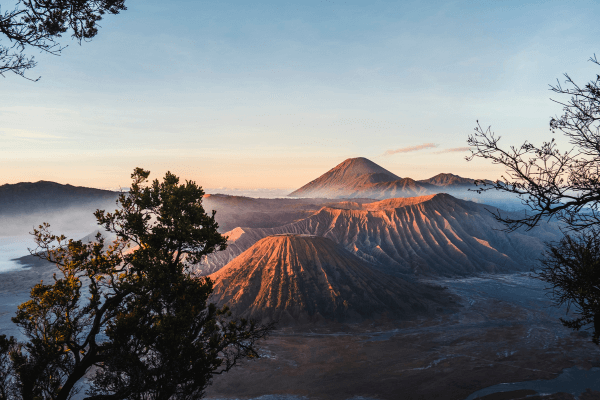
What makes Maui a meaningful coffee region
Maui’s farms operate across elevations that range from sea level to more than three thousand feet. Higher ground slows cherry development and often produces brighter acidity. Lower areas lean toward rounder or deeper flavor.
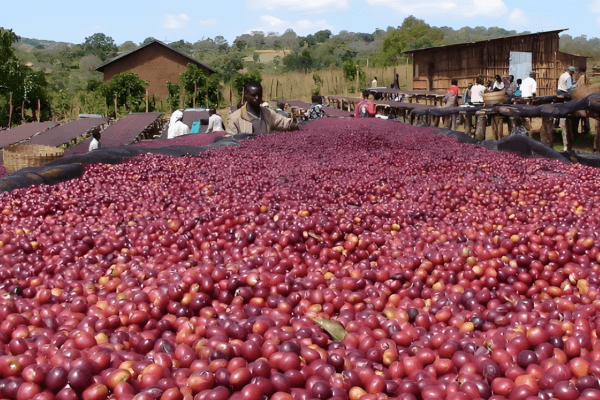
Research from the Hawaii Department of Agriculture shows that small estates across Maui contribute to a statewide specialty coffee sector that has expanded over the past decade. These farms rely on hand labor and micro-lot management. That combination supports traceability and quality control.
Travelers who understand these patterns make more informed choices. They can compare washed, honey and natural coffees with context rather than guesswork.
Where to find great coffee in Central Maui
Central Maui serves as the island’s transportation hub. Most travelers pass through Kahului or Wailuku as they move between beaches, resorts and Upcountry towns.

What to consider in Central Maui
Freshly roasted beans are common because many roasters operate nearby
Cafés often provide spacious seating that works for remote tasks
Breakfast menus tend to be broader than coastal locations
Why it matters
Central Maui is one of the easiest places to explore processing styles. Many cafés roast in small batches and highlight differences between washed, natural and honey coffees. These contrasts help visitors build a reference point before comparing other regions.
Benefits
Limitations
Where to grab fast and refreshing coffee in South Maui
South Maui is known for sunny mornings and long shoreline access. Cafés in this area focus on convenience and cold drinks that fit warm weather.
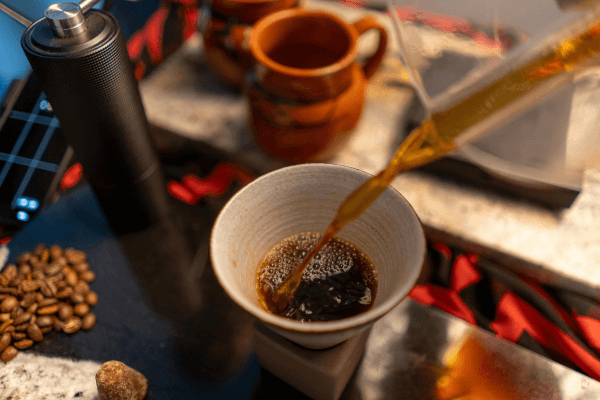
What to consider in South Maui
Iced options appear more often than hot pour overs
Drive through stands help travelers start early beach days
Outdoor seating is breezy and casual
Why it matters
Timing is part of every beach plan. A café close to Kamaole, Keawakapu or Wailea helps visitors avoid crowds and stay hydrated. Drinks such as macadamia nut lattes or cold brew made with coffee ice cubes match the region’s pace.
Benefits
Quick service for active mornings
Creative drinks with local flavor notes
Consistent parking across neighborhoods
Limitations
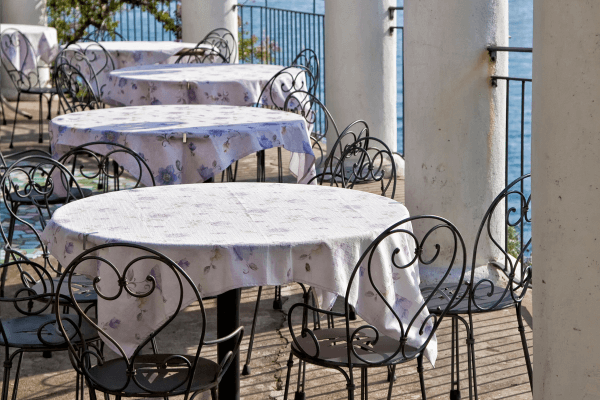
Where to enjoy ocean views and high quality beans in West Maui
West Maui blends resort convenience with access to beans grown in Ka‘anapali and nearby estates. This area works well for travelers who want both scenery and technique driven brewing.
What to consider in West Maui
Many cafés highlight one hundred percent Maui estate coffees
Third wave espresso bars emphasize precision and balance
Several shops sit within resort villages
Why it matters
West Maui is a strong place to buy beans. Labels often list the specific farm, roast date and tasting notes. These details help travelers select coffee that matches their preferences and brewing habits.
Benefits
Scenic mornings with ocean views
Wide range of high end beans to bring home
Walkable access from many resorts
Limitations
Where to find creative and laid back cafés on the North Shore
The North Shore blends surf culture with an artistic community. Cafés here lean toward open air courtyards and garden seating.
What to consider on the North Shore
Local roasters such as Oma appear often in this region
Specialty drinks pair well with breakfast bowls and baked goods
International brands such as Illy offer contrast to local beans
Why it matters
The North Shore prioritizes atmosphere as much as flavor. It also sits along the route toward the Road to Hana. That position makes it a natural early stop for travelers who want both caffeine and timing for the drive.
Benefits
Relaxed settings suited for slow mornings
Menu options for varied diets
Creative drinks with strong local identity
Limitations
How to explore Upcountry coffee like a local
Upcountry sits between roughly twelve hundred and thirty five hundred feet above sea level. Cooler temperatures slow cherry ripening. That shift often produces sweeter beans with floral or citrus notes.
What to consider in Upcountry
Many cafés roast on site using small vintage equipment
Estate coffees reflect microclimates unique to Kula and Makawao
Baked goods are often house made and seasonal
Why it matters
Upcountry offers a close view of Maui’s agricultural identity. Visitors can understand how elevation, soil and processing influence flavor. They also see how small farms adapt to weather patterns that change year to year.
Benefits
Limitations
What to try when exploring Maui’s signature drinks
Signature drinks help travelers experience local flavors through familiar formats. These drinks vary by café but reflect common taste preferences across the island.
Macadamia Nut Latte
Hawaiian Honey Bee Latte made with local honey
Ube Latte with a soft and sweet profile
Lavender Latte inspired by Upcountry farms
Cocaffogato that blends espresso with frozen coconut dessert
How to choose the coffee experience that fits your day
If you need a place to work
Choose cafés with steady Wi Fi, larger tables and consistent espresso.
If you value art and community
Look for spaces that host musicians or display rotating pieces from Maui artists.
If you are in a hurry
Coffee trucks and drive through stands support tight schedules without reducing quality.
If you want to learn about origin
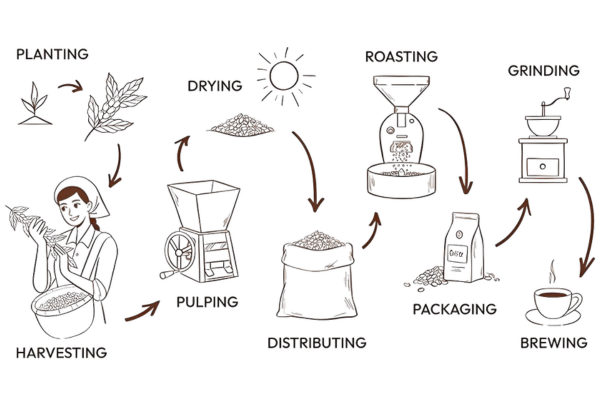
Farm tours explain how beans are grown, processed and roasted. These tours help travelers compare washed, honey and natural coffees with clarity.
How to order and evaluate coffee on Maui with confidence
What to look for when ordering
Labels such as one hundred percent Maui Grown or Locally Roasted help confirm origin. Cold brew is widely available because many cafés optimize recipes for warm weather.
How to choose beans to bring home
Look for
Most cafés ship beans if you want to avoid packing them.
How to begin your day based on location
Upcountry works well before a sunrise visit to Haleakalā
Central Maui is efficient after landing
Coastal cafés support beach and snorkeling days
How to avoid long waits
Skip the eight to nine thirty window when possible
Resort cafés peak during midmorning
Neighborhood spots stay steadier throughout the day
How to plan a coffee journey across Maui
Coffee in Maui helps travelers understand agriculture, community identity and the long term shift toward sustainable farming. Each region offers a different perspective. Exploring several areas allows visitors to compare how soil, climate and culture influence the cup.
Sip with curiosity. Choose beans with intention. Match each morning with a setting that reflects the island’s diversity.
FAQ
What makes Maui coffee different from other Hawaiian coffees
Maui’s varied microclimates create broader flavor range than most Hawaiian regions. Upcountry beans develop bright acidity, while West Maui yields rounder, fuller cups. The island’s diversity produces more distinct profiles than Kona’s traditionally consistent flavor.
Is 100 percent Kona or 100 percent Maui coffee better
Neither origin is inherently superior. Kona is valued for smooth, predictable flavor. Maui offers more fruit-forward or floral notes due to its wider growing zones. Choose based on your preferred taste rather than reputation.
Is Maui known for coffee
Yes. While smaller than Kona, Maui has respected estates in Kula and Ka‘anapali and a strong farm-to-cup culture. Its cafés highlight local beans through small-batch roasting and region-specific profiles.
Why is Kona coffee so famous
Kona gained its reputation through ideal volcanic soil, consistent climate, and generations of hand cultivation. Limited production and strict geographic labeling also protect its quality and global visibility.
Should travelers buy whole beans or ground coffee
Whole beans stay fresh longer and keep flavor better in warm climates. If you will brew soon, cafés can grind beans for your method. For travel or storage, whole beans are the best choice.
Are coffee tours worth the time
Yes. Tours explain how elevation, soil, and processing influence flavor. You can taste washed, honey, and natural coffees side by side and access estate lots rarely sold in retail shops.
Why do some cafés run out of pastries or close early
Upcountry cafés bake in small batches and close early to match local rhythms. Resort cafés stay open longer but may charge more. Visiting earlier in the day ensures full menu availability.
How much should travelers expect to pay for specialty coffee
Most drinks cost eight to twelve dollars, with resort locations slightly higher. Prices reflect small-batch roasting, local labor, and the higher cost of cultivating Hawaiian-grown beans.
Can you bring Maui coffee home without losing freshness
Yes. Keep beans sealed and stored cool during travel. Choose recent roast dates and one-way valve bags. Open only when home. Many cafés also ship to ensure peak freshness.
What is the most popular and most reliable drink in Maui
Cold brew is widely favored for its smoothness and heat resistance. Visitors also love macadamia nut lattes for local flavor. If you want a safe, consistent choice, cold brew is your best bet.


